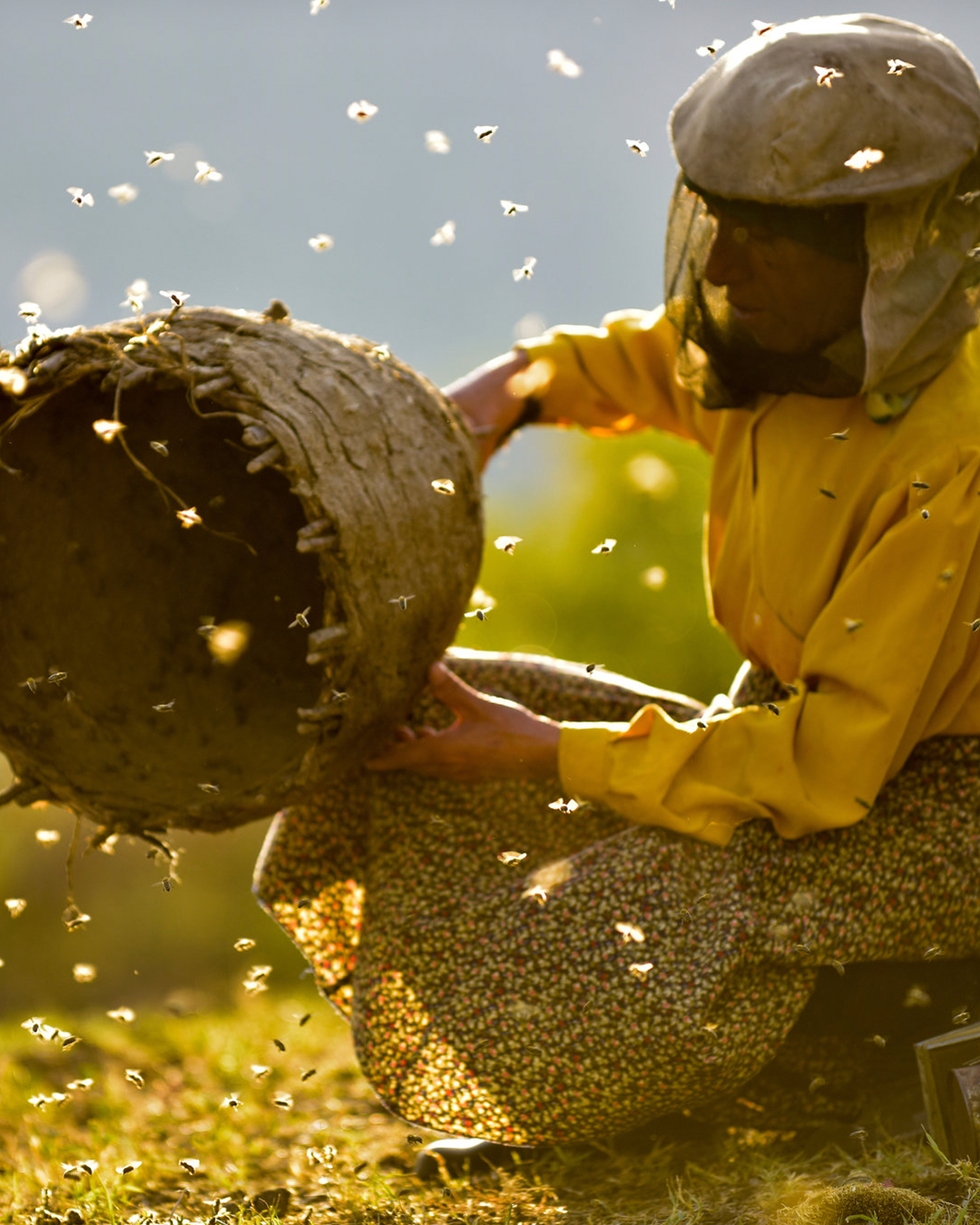
There is a mildly embarrassing thing that happens when the West “discovers” a small cinema, which is that the cinema in question is treated as if it had been waiting, patiently and perhaps a little quaintly, for someone in Berlin or Park City or Los Angeles to certify its existence. Macedonian cinema, of course, did not begin when Honeyland reached the Oscars, any more than a mountain begins when someone photographs it from the road. But Honeyland did perform the particular magic that awards seasons are still, sometimes, capable of performing: it made a local story legible without making it smaller, flatter, easier, or less strange. In 2020, it was nominated for both Documentary Feature and International Feature Film—an almost absurdly neat summary of its dual identity as intimate ethnography and global art object.
The film’s lesson was not that Macedonian filmmakers should become more universal. It was that the universal, when it is any good, usually enters through the side door: a beekeeper’s rule, a rural economy, a mother in a dark room, a landscape that looks as if it has survived several versions of history and is not especially impressed by the current one. The next wave of Macedonian filmmakers is not getting seen in the West by trying to look Western. It is getting seen by becoming more exact—more village, more apartment, more ritual, more grief, more girls, more family, more folklore, more untranslatable pressure.
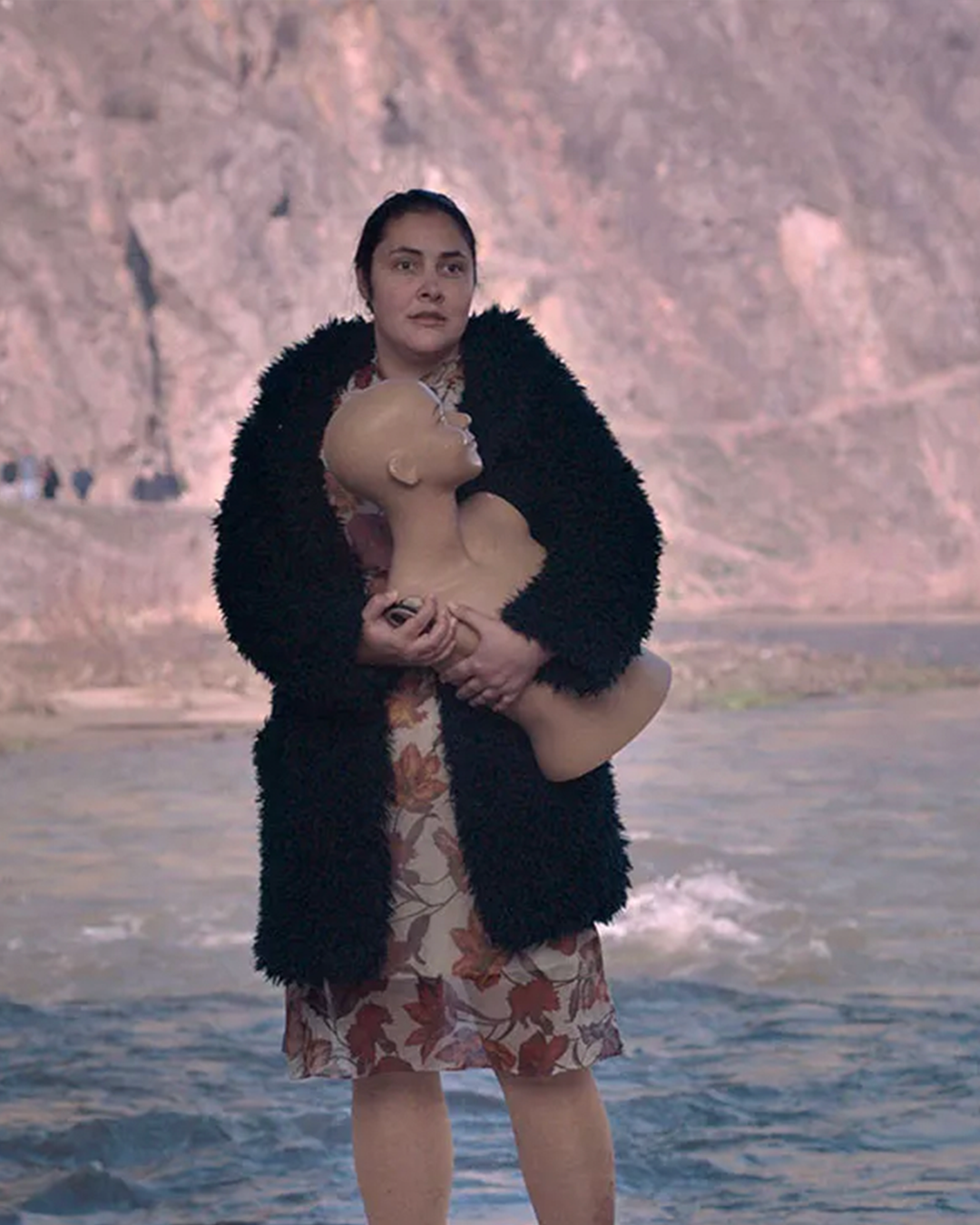
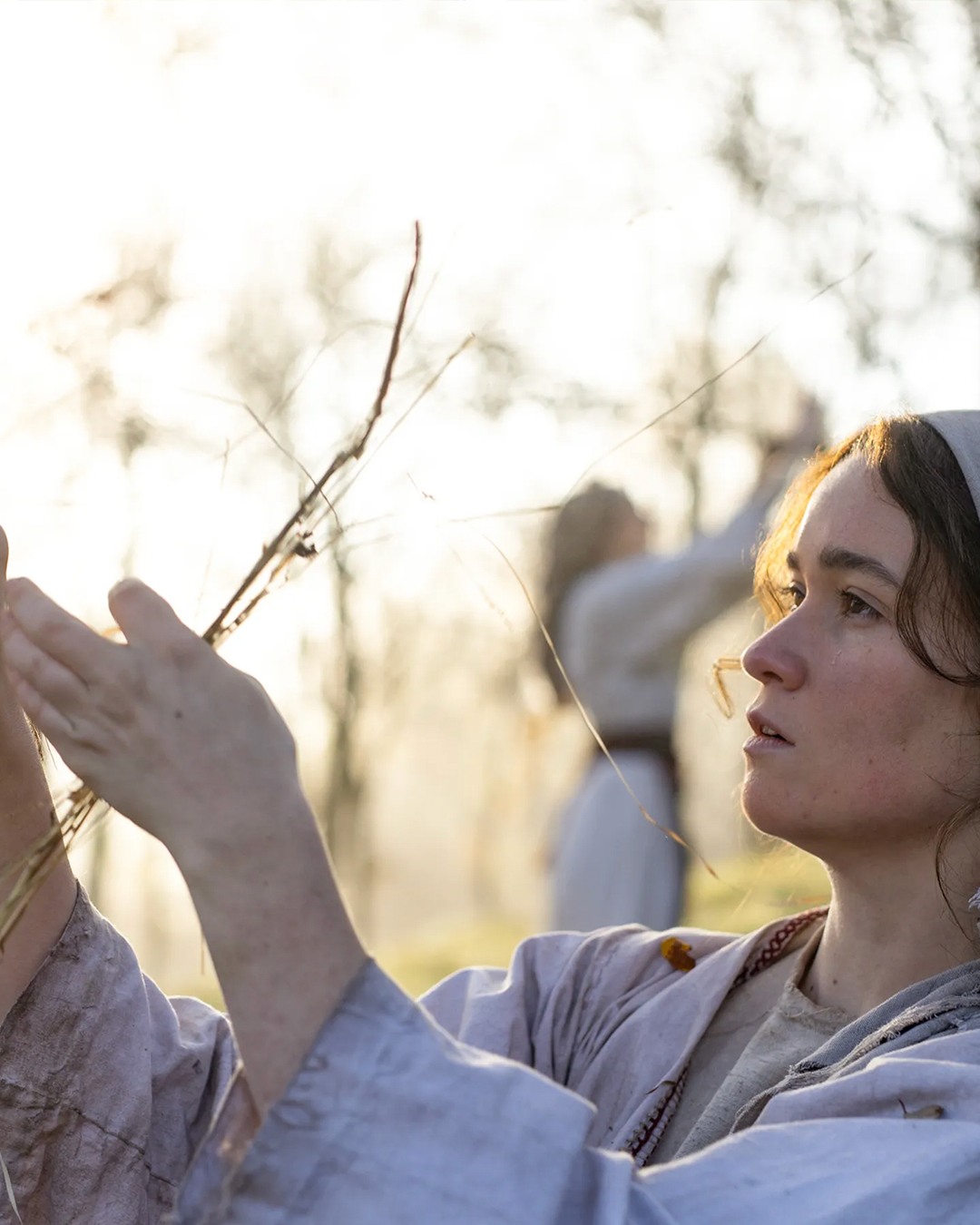
The films are small, but not minor. Small, in this case, means that the unit of drama is not the nation but the room; not History, capital H, but the person trapped inside the institutional machinery that History leaves behind. A police station. A speed-dating event. A school corridor. A queer household in Skopje. A remote Yuruk village where music becomes not merely music but a kind of unauthorized exit. The uploaded research frames this as the defining post-Mančevski shift: away from large historical allegory and toward intimate, character-centered films that move through Berlin, Venice, Sundance, Karlovy Vary, and Tribeca before reaching specialized Western audiences.
This does not mean that the past has disappeared. Macedonian cinema carries a deep institutional memory. The Manaki Brothers festival in Bitola presents itself as the world’s first and oldest festival dedicated to cinematographers and traces its first edition to 1979; the Cinematheque of Macedonia, founded in 1974 and active from 1976, preserves national audiovisual heritage and remains one of the country’s central film institutions. Before the current wave, there was Milčo Mančevski’s Before the Rain, the post-Yugoslav landmark that won the Golden Lion at Venice and received an Oscar nomination for Foreign Language Film.
For a long time, that was the unavoidable comparison: Where is the next Mančevski? But the better question is what happens when a younger cinema stops trying to answer a question it did not ask. The new Macedonian filmmakers have not rejected Mančevski’s seriousness about place, violence, and identity. They have rejected his scale. The symbolic landscape has moved indoors. The national wound has become a family arrangement, a religious ceremony, a text message, a household budget, a girl’s reputation, a body that does not know which form it is permitted to take.