
Wine being poured into a glass during a tasting

How to taste Vranec (like a sommelier)

Dark fruit, firm tannin, and the problem of being too powerful.

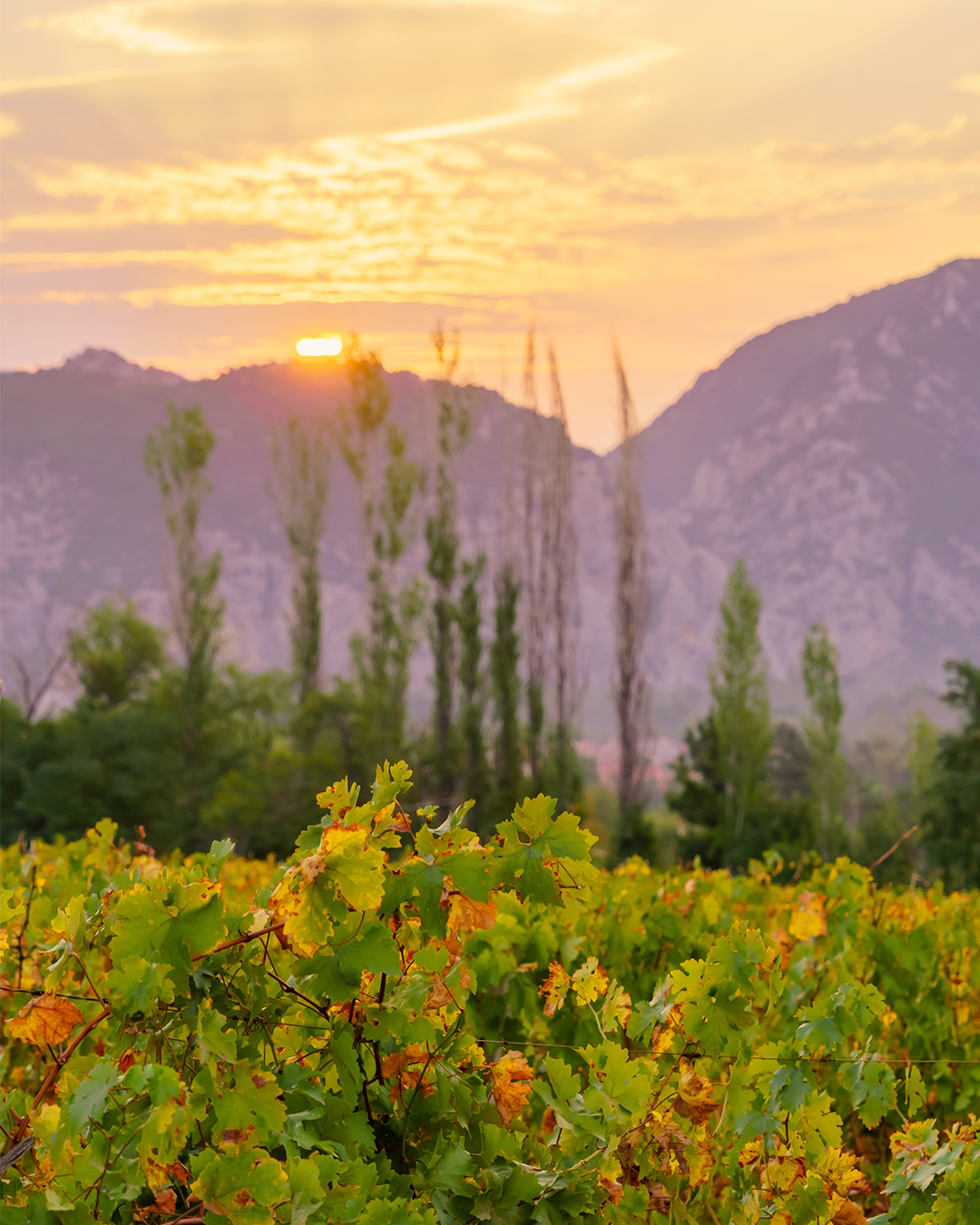
Vineyard at sunset with mountains in the background

Vranec

“The fruit is dark, but the wine still has lift.”

Why: Vranec is Vardar’s flagship red grape, and it rarely enters quietly. It is usually deep in color, full in body and built around black fruit: plum, blackberry, black cherry, sour cherry, sometimes violet, pepper or herbs. But the important thing is not size. Many wines are big. Fewer have shape. A good Vranec should begin with fruit, tighten with tannin, rise with acidity and finish somewhere more savory than sweet.

Color

“Don’t give it points just for being dark.”

Why: Vranec can look impressive before you even smell it. The grape is thick-skinned, deeply pigmented and rich in anthocyanins, which helps explain the dark ruby or purple-edged color of many young bottles. But color is only evidence of extraction and grape character. It does not prove balance. A dark wine can still be dull, hot or clumsy. The better question is: does the wine move?

Tannin

“The tannins are firm, but they’re ripe.”

Why: Tannin is where Vranec proves itself. The grape naturally gives structure, dry extract and grip, so the issue is not whether tannin is present. It will be. The issue is whether it feels integrated. Good tannin frames the wine. Bad tannin dries out the finish after the fruit has disappeared. One of the most useful sentences in tasting Vranec is: “The tannin outlasts the fruit.” That is a polite way of saying the wine is not balanced.

Alcohol

“There’s warmth, but it isn’t leading.”

Why: Vranec ripens generously, especially in warmer districts. That can give the wines breadth, body and a certain southern confidence. But alcohol should support the wine, not announce itself. Balanced warmth feels expansive. Unbalanced heat catches at the back of the throat. If the wine feels sweet, heavy or short, the problem may not be ripeness itself, but ripeness without enough freshness to carry it.

Origin

“Adopted flagship, not native-born mascot.”

Why: Vranec is central to modern Macedonian red wine, but its official origin points to Montenegro, where it is known as Vranac. Genetic records identify it as the offspring of Duljenga and Kratošija.

Tikveš

“This is the reference point.”

Why: Tikveš is the classic center of Macedonian wine and the easiest place to understand Vranec in its most recognizable form. Mediterranean warmth meets continental influence, and the better sites can give concentration without losing freshness. Expect dark fruit, body, tannin and, in the best examples, enough acidity to keep the wine from becoming merely heavy. Tikveš Vranec is the baseline: generous, structured and serious.
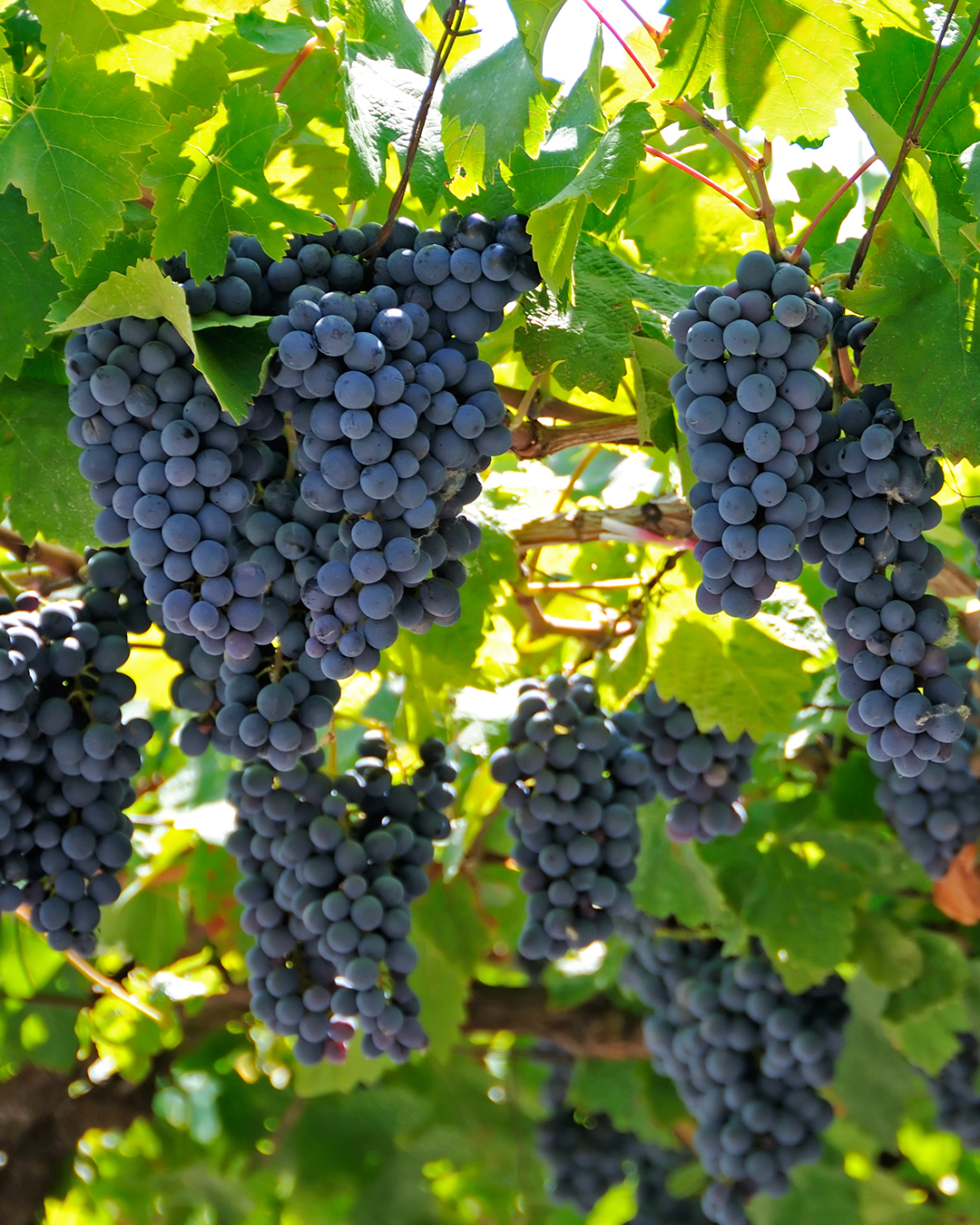
Dark grape clusters hanging on the vine

The Far South

“The sun is in the glass.”

Why: In warmer southern districts such as Gevgelija-Valandovo and Strumica-Radovish, Vranec can become more solar: riper fruit, bigger body, warmer alcohol, more dry extract. These wines can be seductive, but they are also risky. If sugar ripeness arrives before phenolic ripeness, the wine may taste ripe and alcoholic while the tannins still feel hard. The best versions feel Mediterranean. The weaker ones feel overexposed.

Wind and Altitude

“This is where the stereotype starts to break.”

Why: Ovche Pole and Kochani-Vinica complicate the idea that Vranec is always dark, hot and thick. Wind, altitude, diurnal shifts and poorer soils can push the grape toward a fresher, more angular expression: red fruit instead of only black fruit, herbs, pepper, firmer lines and a more savory finish. These wines matter because they show Vranec as something other than a warm-climate blockbuster. They make it intellectual.

Oak

“The oak supports the fruit.”

Why: Vranec can take oak, but oak can also make it anonymous. Cedar, spice, polish and length can flatter the grape. Vanilla, coconut, mocha and sweetness can bury it. This is especially important because Vranec already has power. It does not need cosmetic weight. The best oak-aged versions use barrel as architecture. The worst use it as makeup.

Blends

“Vranec is giving the blend its backbone.”

Why: Vranec does not have to appear alone to be important. In blends, it can provide color, tannin, extract and dark-fruit depth. With Cabernet Sauvignon, it can reinforce structure. With Merlot, it can add body and freshness. With Kratošija, its traditional partner and genetic parent, it can become brighter and less severe. The smart question is not always “Is this 100 percent Vranec?” It is: “What role is Vranec playing?”

What Good Vranec Does

“Powerful, but not clumsy.”

Why: Good Vranec has depth without dead weight. It is dark-fruited, but not flat. Firm, but not punishing. Warm, but not hot. Oaked, maybe, but not disguised. The best examples have sequence: fruit, grip, freshness, savory finish. That sequence is everything. A merely rich Vranec ends sweet, hot or blunt. A better one keeps going.

The Point

“The question is not whether Vranec is big. It usually is.”

Why: The useful question is: what kind of big? Vranec can be rustic or polished, solar or fresh, oaked or transparent, monolithic or full of regional detail. Its interest lies in that tension. It is not a tidy grape, and that is precisely why it is worth learning. It carries the warmth of the Balkans, the ambition of a young export economy and the old problem of powerful wines everywhere: how to be serious without becoming heavy.

More from Muzej