

At Muzej, we are interested in what makes a place more than merely attractive. A city can photograph beautifully and still be difficult to live in. Another can lack a famous skyline and still give its residents something rarer: a reliable rhythm, a humane scale, a walkable centre, a decent market, a reachable hospital, a café that feels like a civic room, and enough public life to make the day feel shared rather than endured.
That is the spirit behind Muzej’s Quality of Life Survey 2026. The question is practical rather than sentimental: across the Macedonian geographic and cultural region, where does everyday life work best now? Not where the beaches perform best in August. Not where property is cheapest on paper. Not where the national story feels most flattering. But where daily life holds together after the novelty wears off — where housing remains attainable, streets still belong to people, healthcare and education are within reach, nature is close, and a city still feels human at 10:00 in the morning and after 22:00 at night.
The survey screened 28 candidate cities and towns and favoured places that can be lived in year-round, not just admired on a weekend. The scoring system totals 100 points and gives weight to the things that shape ordinary stability: affordability, housing quality and availability, safety, healthcare access, air and environment, walkability and daily convenience, food, cafés, markets and restaurants, culture and urban character, nature and climate comfort, and connectivity for work and study. Family life is not treated as a decorative bonus. It is folded into the basics: housing, safety, healthcare, schools, services and the ease of getting through a day.
The source hierarchy was deliberately strict. Official statistics, cadastre-derived housing data, municipal and airport operators, public hospitals, universities, UNESCO, transport providers and institutional sources carry the most weight. Where the data becomes thinner — especially around rents, safety perceptions and small-market cost estimates — crowd-sourced figures are used only as directional indicators, not gospel. A final editorial adjustment was reserved for street-level texture: whether a place has a convincing public realm, a legible centre and a social life that can still be lived on foot.
The result is not a claim of perfection. Macedonia’s cities are shaped by demographic shrinkage, outward migration, uneven investment, ageing infrastructure and the widening gap between capitals, tourist winners and smaller towns asked to do more with less. Even the best places here have tradeoffs. Some are beautiful but seasonal. Some are practical but polluted. Some are affordable but thin on services. Some offer opportunity at the price of calm.
So consider this survey the beginning of a conversation rather than the end of one. For diaspora readers, returnees, remote workers, families and anyone trying to understand the region beyond nostalgia, the aim is simple: to move the discussion of liveability away from slogans and toward the daily details that actually shape a life. Which cities still give you room to walk, work, eat, rest, gather, age and belong? Which ones keep the most parts of life in proportion? That is the question this ranking tries to answer.
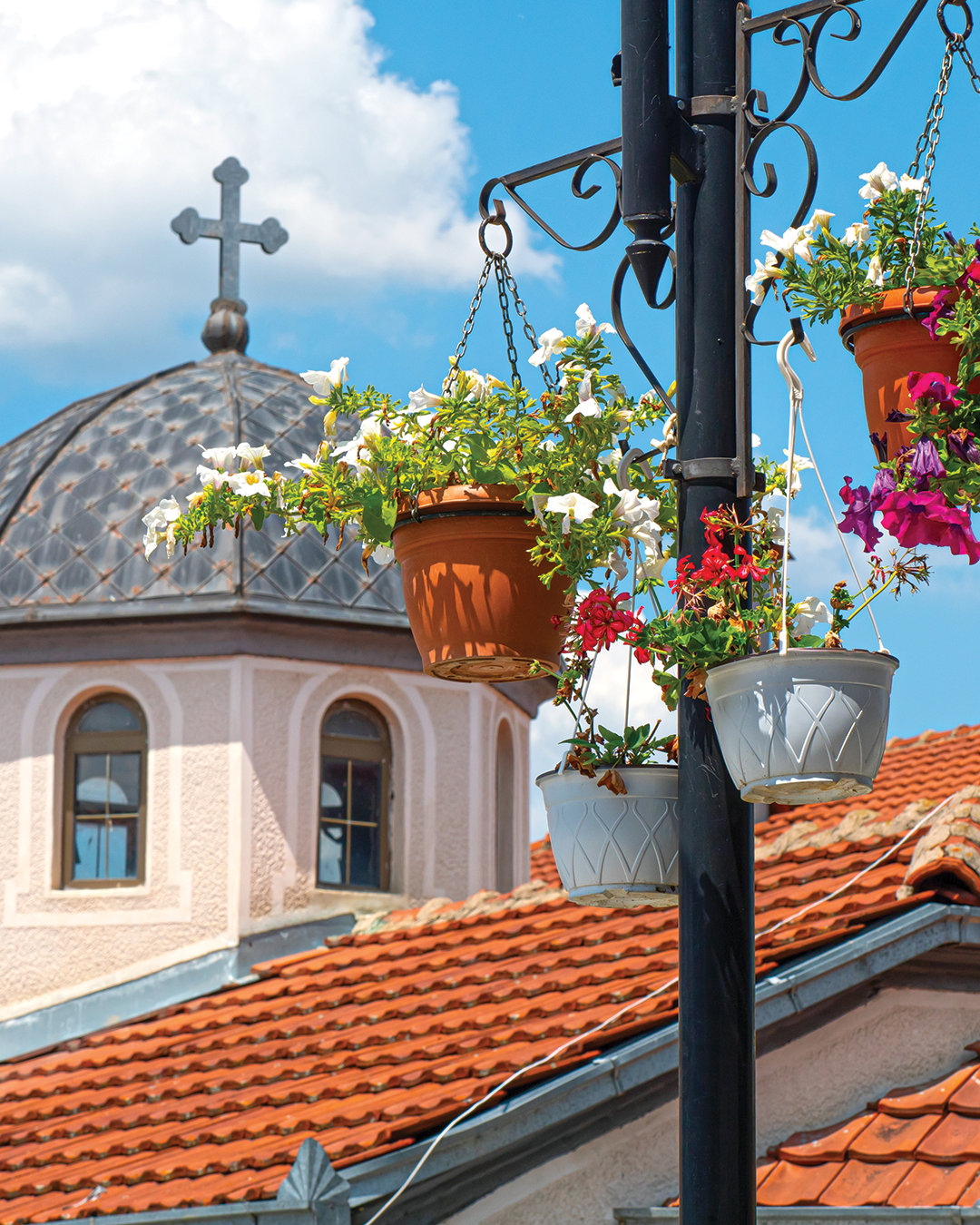
Berovo
Berovo earns its place because this survey measures quality of life, not urban intensity. Its cooler mountain climate, access to the Maleševo landscape, and slower pace offer a level of everyday calm that is increasingly rare. Rather than competing with larger cities, "Little Switzerland" represents a different model of living: a highland town where families, returnees, and semi-retirees trade convenience for nature, quiet, and room to breathe.
Livability signals
- Altitude
- Roughly 800-900 mTourism sources place the town in this mountain band.
- Climate
- About 8.7°C annual averageOne tourism source gives Berovo this cooler annual temperature.
- Lake
- Around 1,000 mBerovo Lake is part of the town's recreational appeal.
- Nature
- Restorative settingPromotional material frames Berovo around untouched nature and quiet.
- Data caveat
- Thinner evidence baseAir-quality and housing data are thinner here than in larger cities.
Read more
What works
Cool summers, lower sensory stress, access to lake and forest, and a powerful slow-living argument.
Tradeoffs
Thin services, weak data coverage, small job market, and likely car dependence.
Daily-life scene
Pine air, earlier evenings, and the sensation that time is no longer trying to outrun you.
Best address
The Berovo Lake-town-center rhythm, rather than any single prestige street.
Best suited for
Retirees, writers, returnees with independent income, and families seeking summers that stay breathable.
Adopt
Protect the lake-and-town rhythm with small-scale paths, lighting, and year-round public programming.
Drop
Selling Berovo only as a weekend escape instead of a serious slow-living option.
Not ideal for
Residents who need specialist healthcare, frequent flights, or big-city social density.
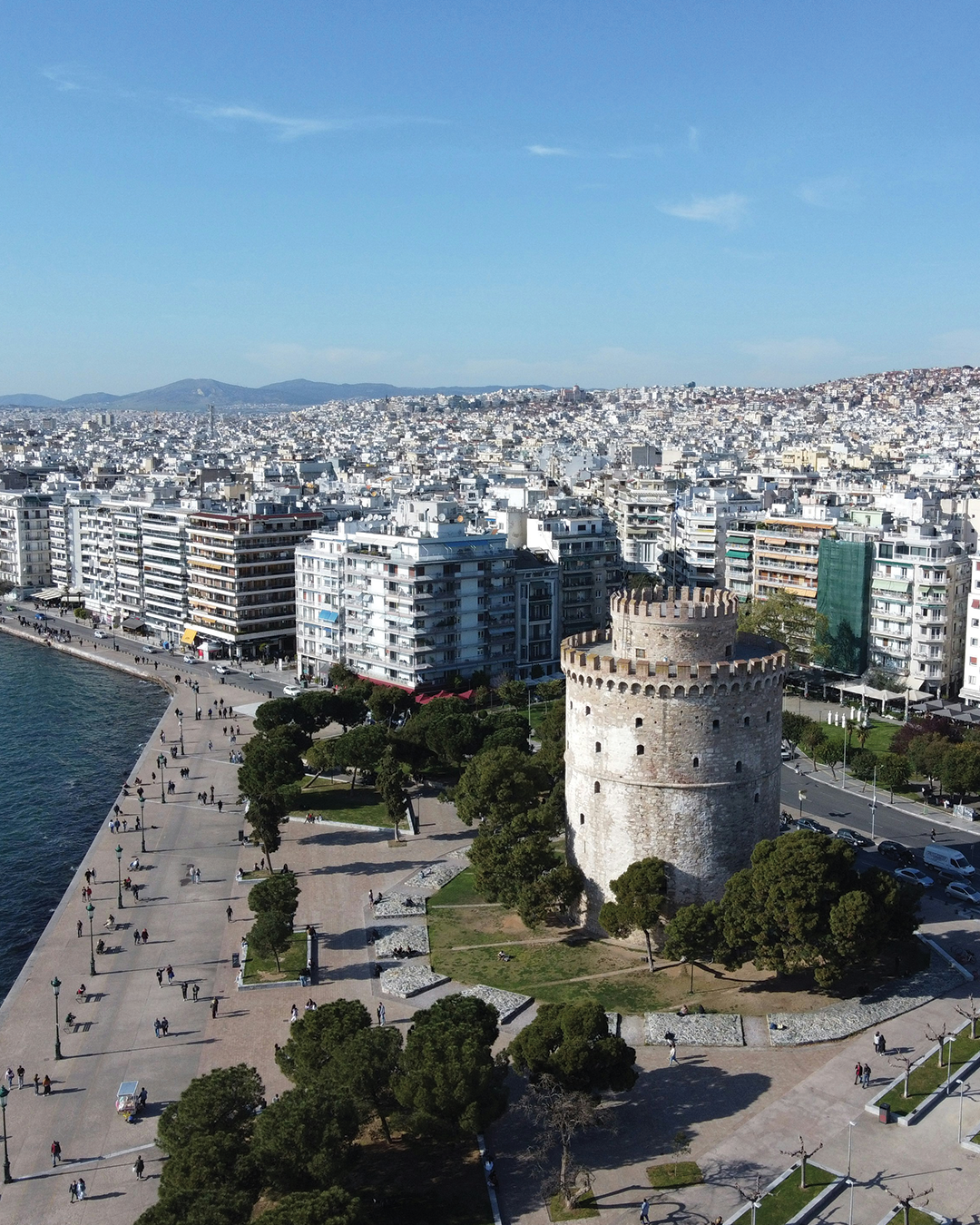
Solun
Solun ranks because no other city in the survey matches its mix of opportunity, education, culture, and metropolitan energy. A modernized metro, major universities, strong healthcare, and an international airport make it the region's most complete urban center. But that comes at a price: higher housing costs, traffic, and a busier, rougher urban environment. For those willing to trade tranquility for culture, nightlife, and opportunity, Solun remains unmatched—just not the best overall value.
Livability signals
- Rent
- About $626/monthSecondary estimate for a city-centre one-bedroom.
- Cost comparison
- About 42.9% above SkopjeDirectional comparison including rent.
- Big-city comparison
- About 5.4% cheaperDirectional estimate against Athens including rent.
- Metro
- 13 base-line stations18 total underground stations once the extension is counted.
- Airport access
- Multiple bus linksAirport buses connect to the centre, rail station, bus terminal and metro interchange.
Read more
What works
Scale, universities, hospitals, nightlife, food culture, social networks, professional networks, airport access and metro-backed mobility.
Tradeoffs
Cost pressure, traffic, noise, congestion, moderate safety perceptions and a city that asks residents to absorb disorder.
Daily-life scene
Roman and Ottoman traces, market quarters, waterfront walks, students, medics, founders, old men at tsipouro tables and a social life that keeps going after smaller cities have closed their shutters.
Best address
The Solun waterfront, with the central promenade and market-to-waterfront circuit as the strongest all-day urban sequence.
Best suited for
Young professionals, students, creatives, founders, medics and anyone who wants scale.
Adopt
Use the metro era to reclaim more surface streets for walking, shade, buses, bikes and civic life.
Drop
Treating congestion and housing pressure as unavoidable costs of being a real city.
Not ideal for
People chasing quiet, low overheads or tidy urbanism.
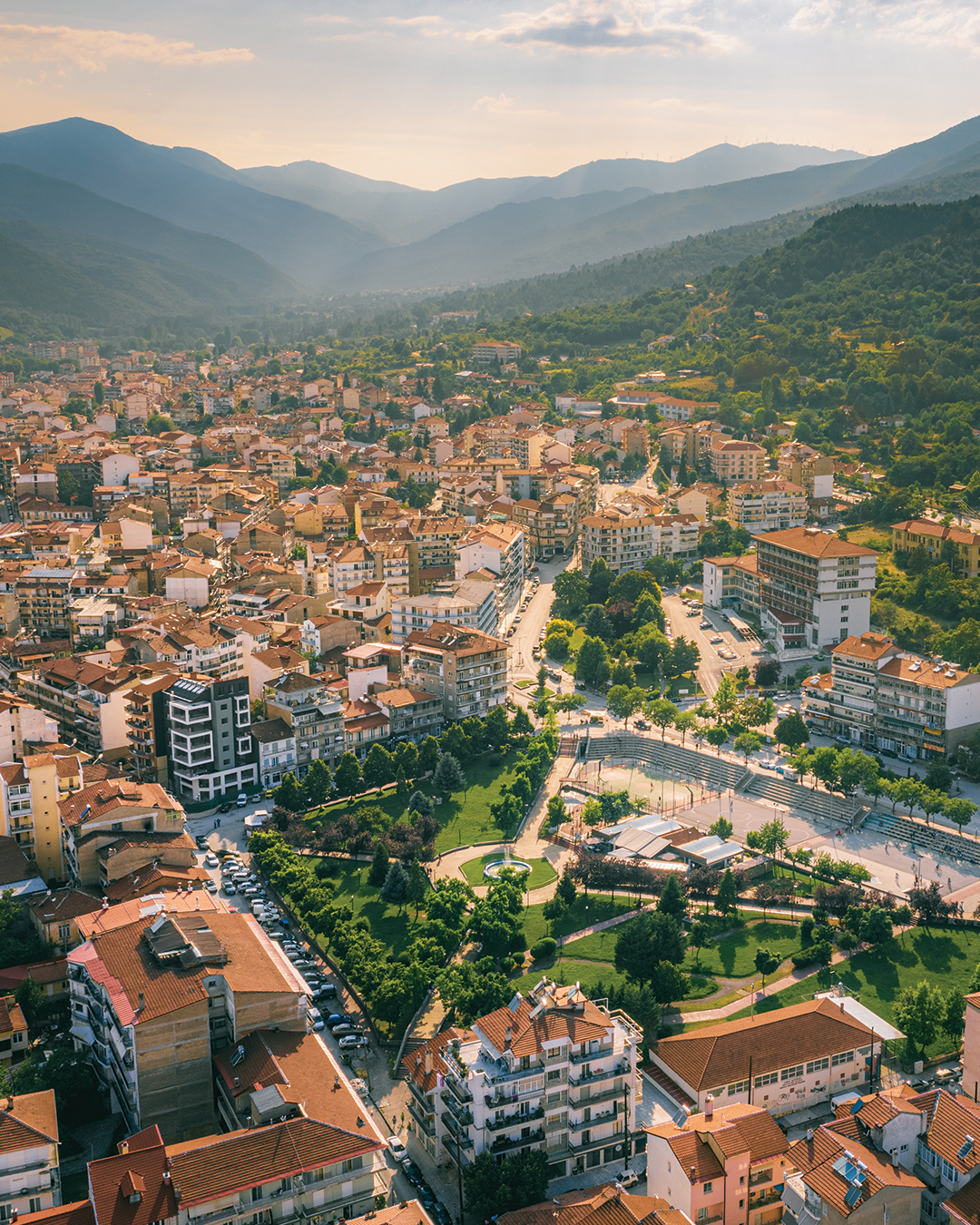
Lerin
Lerin stands out for its riverside charm, distinct seasonal character, and newly restored rail connection to Solun. Rather than chasing growth, it offers a quieter quality of life built around walkability, culture, and a strong sense of place. While its economy and healthcare are limited compared to larger cities, Lerin remains an ideal choice for those who value atmosphere, creativity, and a slower pace over constant urban intensity.
Livability signals
- Rail
- Resumed 30 May 2026Direct Solun-Lerin service returned with two daily pairs.
- Road distance
- 194 km from SolunListed by intercity bus.
- Urban anchor
- Sakuleva RiverThe river is central to the city's identity.
- Culture
- Open-air summer calendarCultural Summer brings concerts, screenings and exhibitions into public space.
- Climate
- Coldest city in EgejRegional material gives Lerin a distinct cool-weather profile.
Read more
What works
Atmosphere, riverfront public space, seasonal culture and improved rail access.
Tradeoffs
Small labor market, harsh winters for some households and limited metropolitan-scale services.
Daily-life scene
River walks, scarves, espresso, brass-band festivals and the sense that weather is still allowed to define a city's personality.
Best address
The Lerin riverside.
Best suited for
Artists, teachers, researchers, quiet urbanists and anyone who wants seasons to feel like seasons.
Adopt
Build the restored rail link into the town's identity with better station-area wayfinding and weekend cultural itineraries.
Drop
Apologizing for the cold; the climate is part of Lerin's character.
Not ideal for
Sun-seekers, rapid-career climbers or households requiring large-city service density.
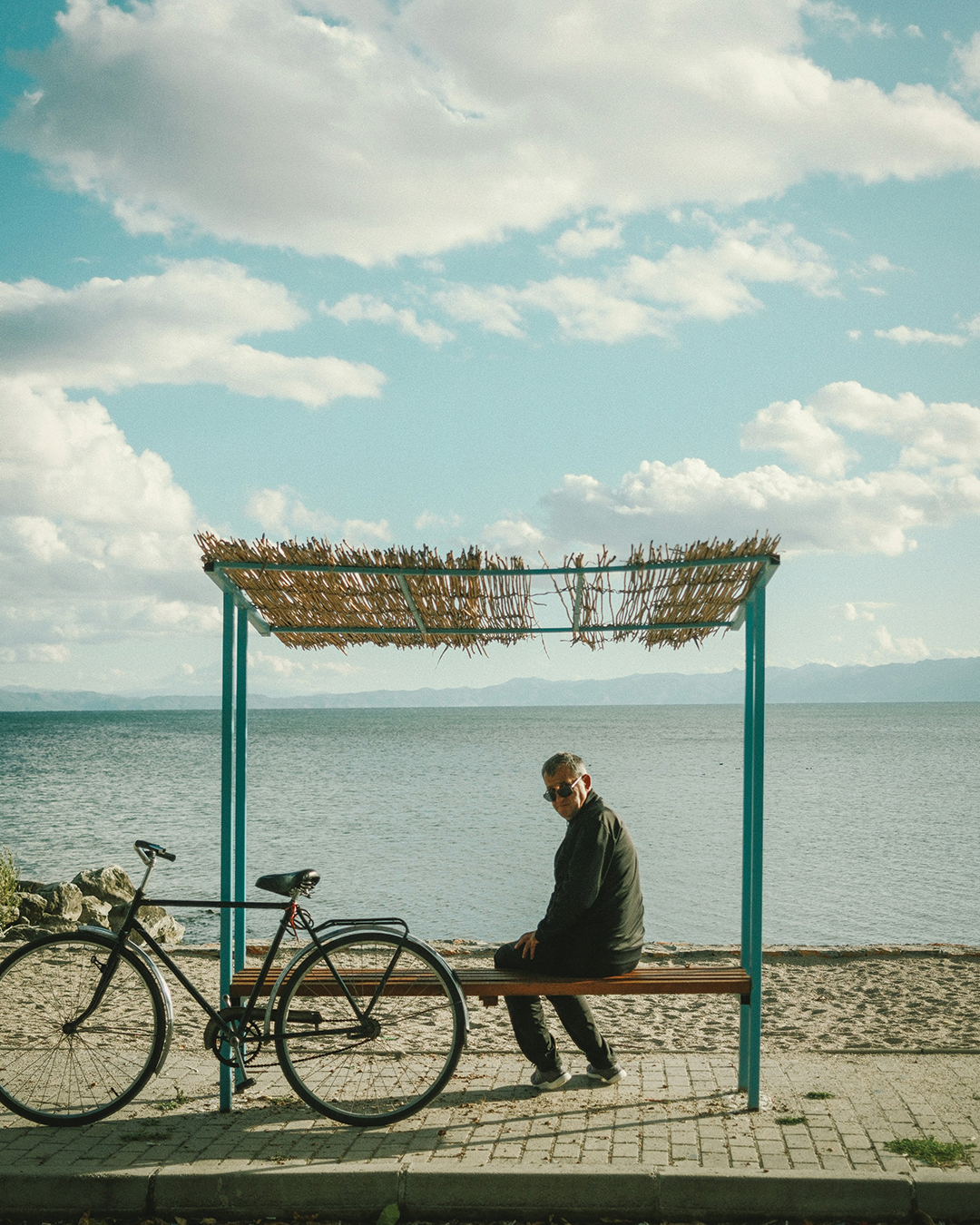
Struga
A looser lake-life alternative: lower-key than Ohrid, less burdened by postcard expectations and useful for households that want water, rhythm and room to breathe.
Livability signals
- Setting
- Lake and river identityStruga sits on Ohrid Lake with a river-to-lake urban rhythm.
- Housing
- Lower than OhridThe research notes lower apartment transaction averages.
- Urban character
- Looser heritage fabricLess concentrated heritage core than Ohrid.
- Seasonal profile
- Visible summer swingThe town's urban mood is more seasonal.
- Main strength
- Lighter lake livingWater access with a less ceremonial daily feel.
- Main weakness
- Less year-round depthServices and cultural concentration are thinner than Ohrid.
Read more
What works
Lake access, softer urban identity, lower housing threshold than Ohrid and a less performative daily rhythm.
Tradeoffs
Seasonality, less year-round service depth and less cultural concentration than Ohrid.
Daily-life scene
River-to-lake walks, cafe terraces, summer movement, quieter shoulders of the season and a town that feels more open-ended than ceremonial.
Best address
The river-to-lake promenade sequence.
Best suited for
Diaspora households, lake-life seekers, semi-retirees, remote workers with flexible income and people who like Ohrid's setting but not its pressure.
Adopt
Lean into Struga's river-to-lake identity with cleaner public edges, better walking continuity and year-round cultural use.
Drop
Measuring Struga only against Ohrid; its value is in being looser, not grander.
Not ideal for
People who need deep year-round services, concentrated heritage drama or a city that feels equally active in every season.
Sandanski
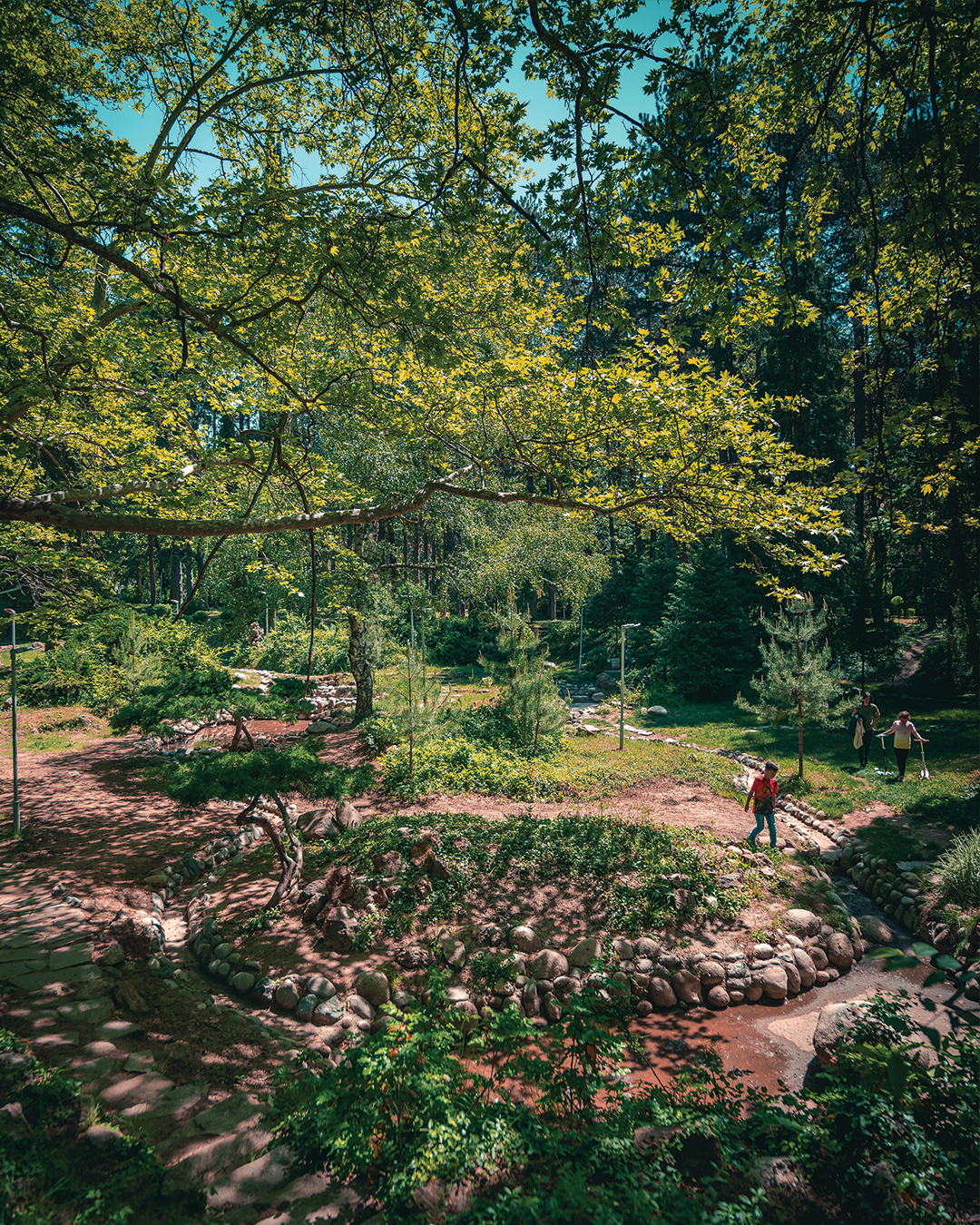
Sandanski ranks highly thanks to its exceptional climate, renowned mineral springs, and expansive city park, making it one of the region’s most restorative places to live. Its slower pace and year-round outdoor lifestyle give it a unique appeal. While it lacks the cultural, educational, and economic depth of larger cities, Sandanski excels as a wellness-focused small city built around comfort and quality of life.
Livability signals
- Wellness
- Mineral-water reputationTourism and municipal sources emphasize curative treatments and healing climate.
- Park life
- 200+ Mediterranean speciesThe city park carries much of Sandanski's daily appeal.
- Natural asset
- Old plane treesThe park is noted for 500-year-old examples.
- Services
- Routes and medical accessThe tourist-information center advertises events, sports and access to medical services.
- Data caveat
- Thin contribution densityCost-of-living data exist, but the sample is limited.
Read more
What works
Climate, greenery, wellness infrastructure and an unusually gentle winter profile.
Tradeoffs
Narrower economy, thinner culture scene and limited data depth on the housing market.
Daily-life scene
Slow walks, spa air, shady benches and a city that treats outdoor time as ordinary rather than exceptional.
Best address
The city park, which functions as Sandanski's true shared commons.
Best suited for
Retirees, health-focused professionals, remote workers seeking climate relief and cross-border households.
Adopt
Make the park the organizing principle for the whole town: more shade, slower streets, wellness paths and public seating.
Drop
Letting spa branding substitute for a fuller civic life.
Not ideal for
People who need major universities, deep job diversity or metropolitan social velocity.
Kostur
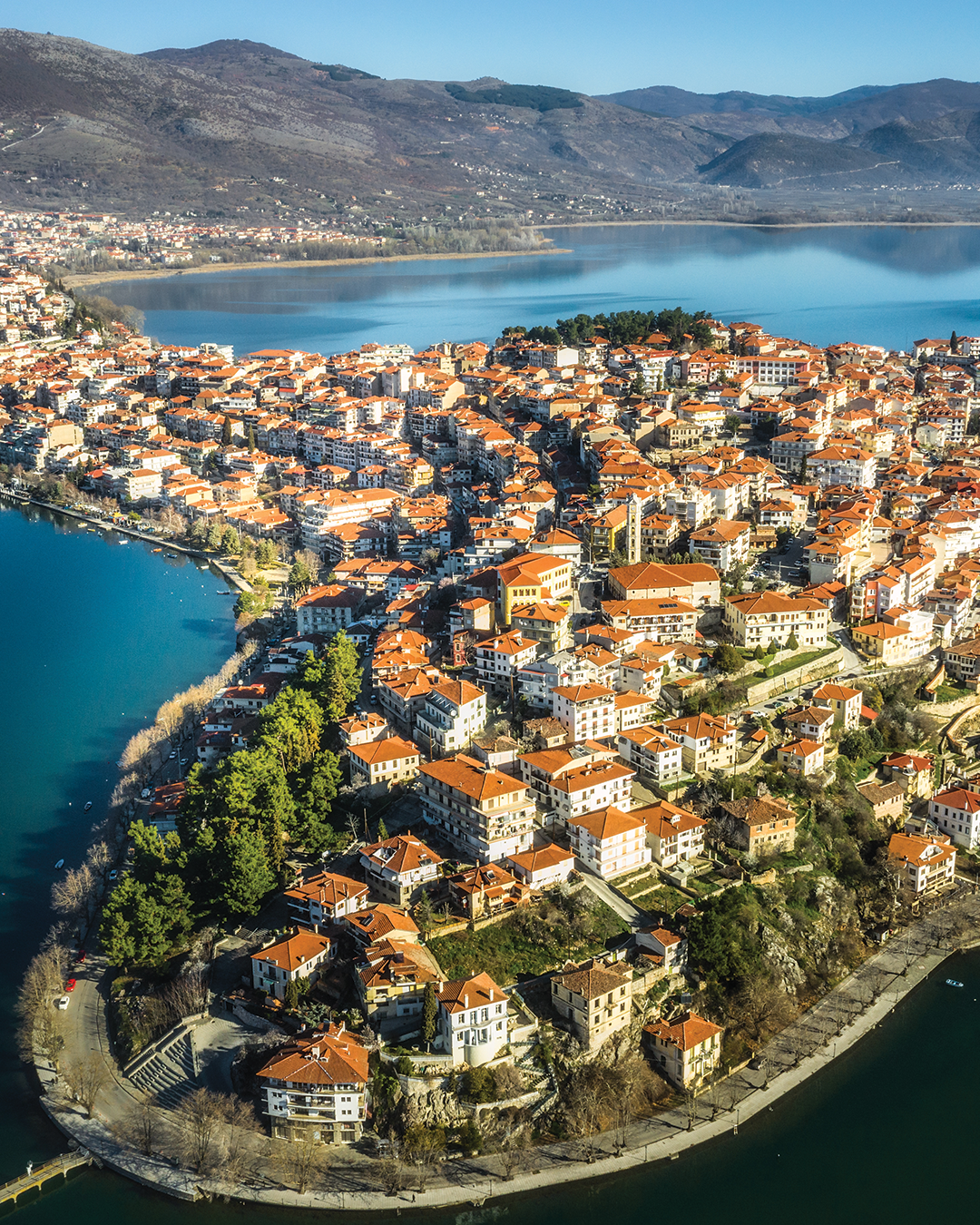
Kostur stands out for its lakeside setting, historic neighborhoods, and beautifully preserved urban character, offering one of the survey’s most refined everyday environments. Its slower pace, architectural memory, and strong sense of place make it ideal for those who value atmosphere over intensity. Limited job opportunities and a smaller economy prevent it from ranking higher, but few cities in the region match Kostur’s combination of beauty, walkability, and a deeply rooted sense of place.
Livability signals
- Healthcare
- 119 developed bedsKostur General Hospital lists this capacity.
- Setting
- Lakefront peninsulaThe city's appeal is inseparable from its promenade and lakeside quarters.
- Culture
- Old quarters and lake circuitMuseum life, winter traditions and boat views shape the daily atmosphere.
- Cost indicator
- About $350/monthSecondary estimate for a single person excluding rent.
- Daily-life asset
- Promenade and quartersThe lakefront walk is the strongest everyday address.
Read more
What works
Urban beauty, walkable scenery, civic calm and a distinct sense of place.
Tradeoffs
Thin labor market, small-market housing data and limited metropolitan-scale services.
Daily-life scene
Lake mist, stone mansions, church towers and a town that still seems to know how to move at walking speed.
Best address
The lakefront promenade and old lakeside quarters.
Best suited for
Writers, designers, retirees and anyone who values atmosphere over scale.
Adopt
Protect the lakefront walk and old quarters as everyday infrastructure, not just heritage scenery.
Drop
Depending on atmosphere alone while the labor market thins.
Not ideal for
Early-career strivers who need deep labor markets and frequent regional travel.
Strumica
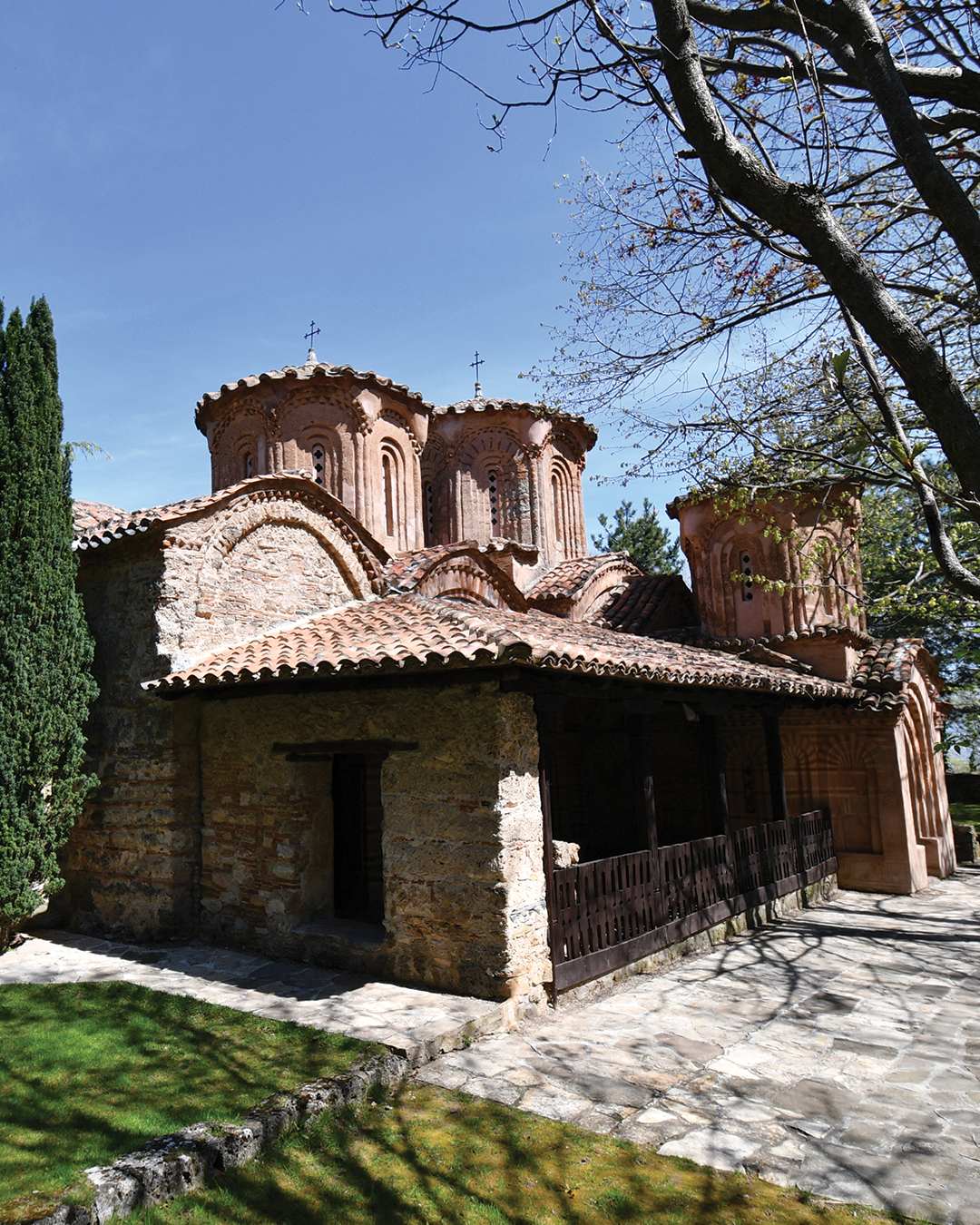
Strumica earns its place through the strength of everyday life: affordability, family practicality, fresh local food, and a public culture that remains active and accessible. Its agricultural wealth shapes the city’s rhythm, from vibrant markets to seasonal festivals, making it one of Macedonia’s most grounded and livable places. While it lacks the cultural depth of Bitola or the opportunities of Skopje, Strumica succeeds where many cities fail: providing a practical, balanced, and sustainable daily life.
Livability signals
- Housing
- About $838/m²Q1 2026 apartment transactions averaged around this level.
- Public space
- Goce Delčev SquareThe square is the city's main civic anchor.
- Culture
- Festival calendarAsterFest, Risto Shishkov and the International Strumica Art Colony feature in the calendar.
- Healthcare
- Regional hospital roleThe general hospital has a recognized regional role.
- Environmental caveat
- Resident concernA 2024 citizen-perception study found almost 8 in 10 saw local air pollution as a problem.
Read more
What works
Affordability, strong food culture, family practicality and a center that still behaves like a center.
Tradeoffs
Heat, limited mass transit and environmental complaints from residents themselves.
Daily-life scene
Grocers, cafes, parents, teenagers and evening circulation that feels domestic rather than touristic.
Best address
Goce Delčev Square and the market streets feeding into it.
Best suited for
Families, small-business owners, food people and diaspora households seeking stability.
Adopt
Treat the market streets and square as civic infrastructure with shade, seating, cleaner air measures and better pedestrian priority.
Drop
Letting environmental complaints become background noise.
Not ideal for
People dependent on rail, major cultural institutions or an intense night economy.
Ohrid
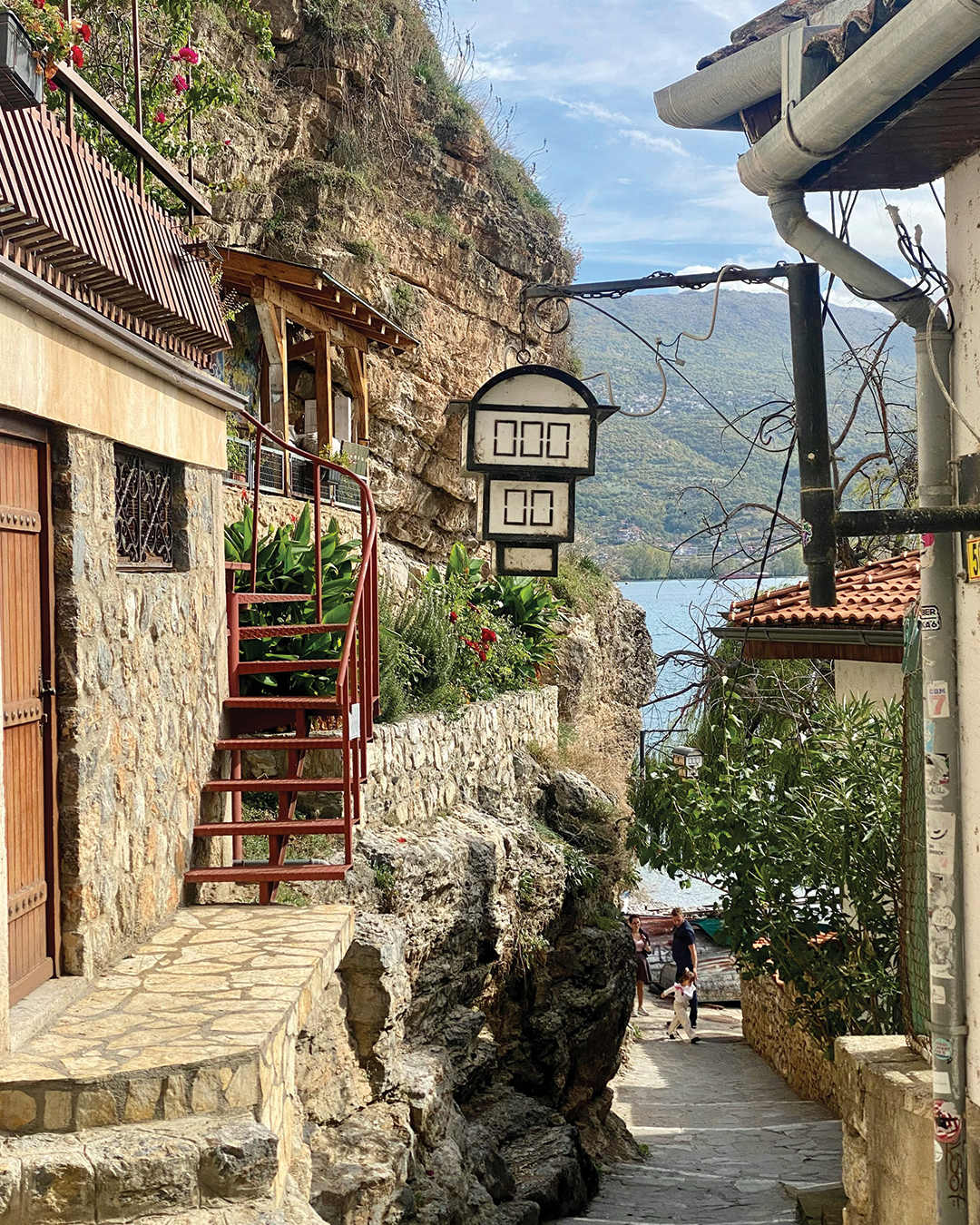
Ohrid offers the survey’s most breathtaking everyday setting, combining a UNESCO-listed lakeside landscape with exceptional walkability, heritage, and quality of life. Its beauty and relaxed pace make it one of the region’s most desirable places to live. However, rising housing costs, tourism pressure, and a highly seasonal economy keep it from the top tier, making Ohrid an outstanding lifestyle city rather than the most balanced one.
Livability signals
- Heritage
- Natural and cultural valueThe Ohrid region is recognized on both fronts.
- Housing
- About $1,350/m²Q1 2026 apartment transactions averaged around this level.
- Rent
- About $290/monthSecondary estimate for a city-centre one-bedroom.
- Safety
- Index about 73.7Secondary perception data give Ohrid this Safety Index.
- Connectivity
- Growing airport useOhrid airport continued to show passenger growth in 2025.
Read more
What works
Beauty, walkability, low perceived crime, world-class setting and a daily rhythm built around the lake rather than traffic.
Tradeoffs
Tourism pressure, higher-than-expected housing costs and a narrow year-round job base.
Daily-life scene
Bells, stone lanes, slow water and evening promenades that still feel ceremonial rather than performative.
Best address
The Old Town-lakefront-Kaneo corridor.
Best suited for
Semi-retirees, culture-minded households, remote workers with flexible income and tourism professionals.
Adopt
Stronger year-round housing protections and visitor management that protect daily life, not just scenery.
Drop
Assuming beauty can carry the city through every planning mistake.
Not ideal for
Anyone needing a broad labor market, anonymity or a city that behaves the same way in January and July.
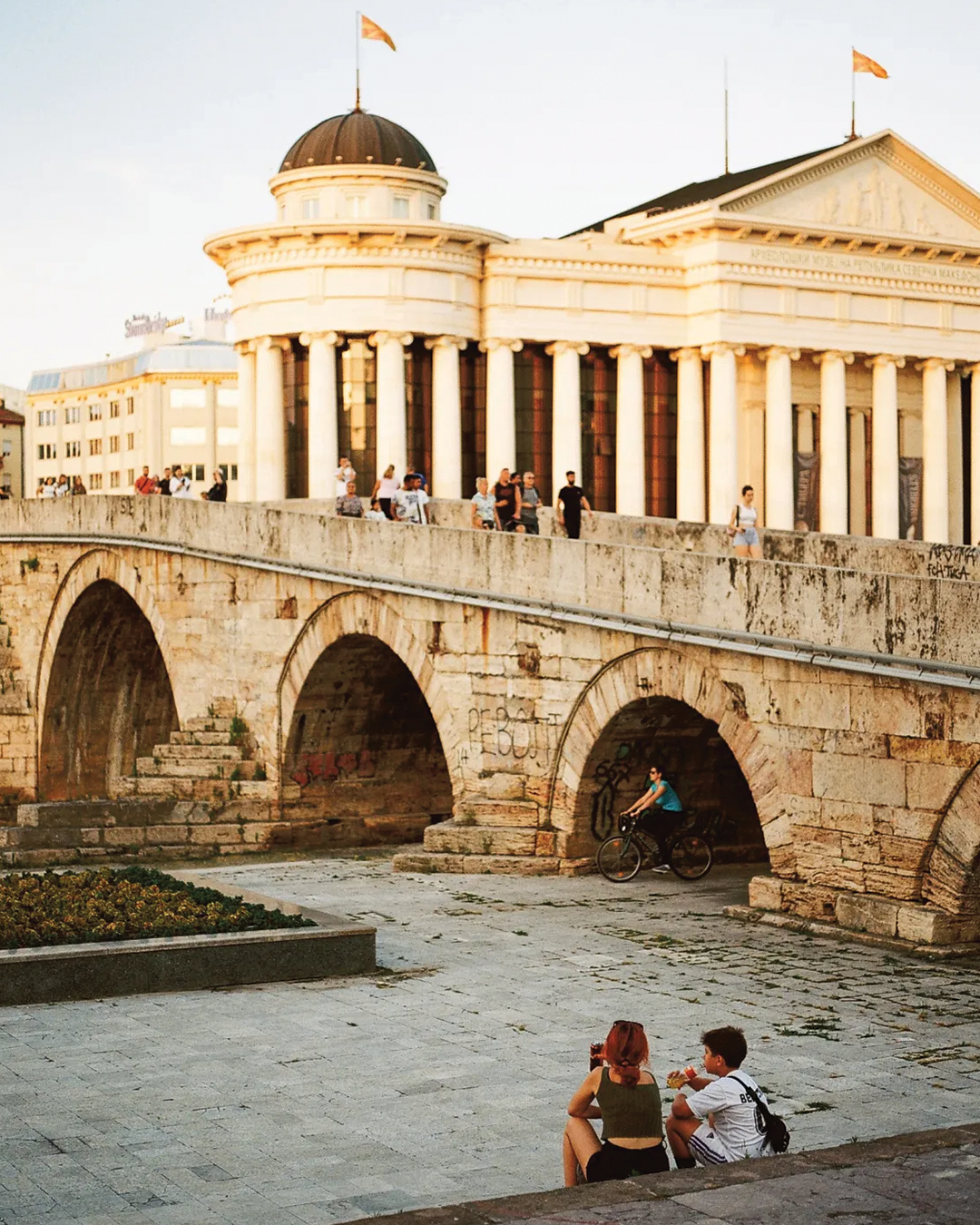
Skopje
Skopje is Macedonia’s indispensable capital, offering the region’s strongest concentration of jobs, universities, specialist healthcare, and international connectivity. For those seeking career opportunities, education, or access to major institutions, no other city in the country can compete with its scale and practicality.
That same centrality comes with trade-offs. Higher housing costs, traffic congestion, air pollution, and uneven urban planning make daily life less balanced than in smaller cities. While neighborhoods like the Old Bazaar, Debar Maalo, and the Vardar waterfront give Skopje plenty of character, it remains a city of opportunity first and comfort second.
Livability signals
- Rent
- About $435/monthSecondary estimate for a city-centre one-bedroom.
- Housing
- About $1,444/m²Q1 2026 apartment transactions averaged around this level.
- Education
- UKIM flagship roleUKIM is the country's flagship university.
- Connectivity
- Principal air gatewaySkopje is the main air gateway in Vardar Macedonia.
- Main weakness
- Housing, air, trafficHigh costs, winter air pollution and congestion shape the tradeoff.
Read more
What works
Jobs, universities, specialist healthcare, airport access, institutions and the deepest social-professional ecosystem in Vardar Macedonia.
Tradeoffs
High housing costs for the country, poor winter air, traffic, planning clutter and daily friction.
Daily-life scene
Fast, messy, energetic and institution-heavy: a city you use intensely even when you complain about it constantly.
Best address
The Debar Maalo-Macedonia Street-Old Bazaar triangle, depending on whether someone prioritizes dining, strolling or heritage.
Best suited for
Ambitious professionals, students, NGO and tech workers, medics and anyone who needs the state's deepest service basket.
Adopt
A serious winter-air agenda, faster buses, calmer streets and more housing discipline near the places people actually work and study.
Drop
Confusing national centrality with everyday comfort.
Not ideal for
People with respiratory vulnerability, low tolerance for chaos or a desire for calm urban form.
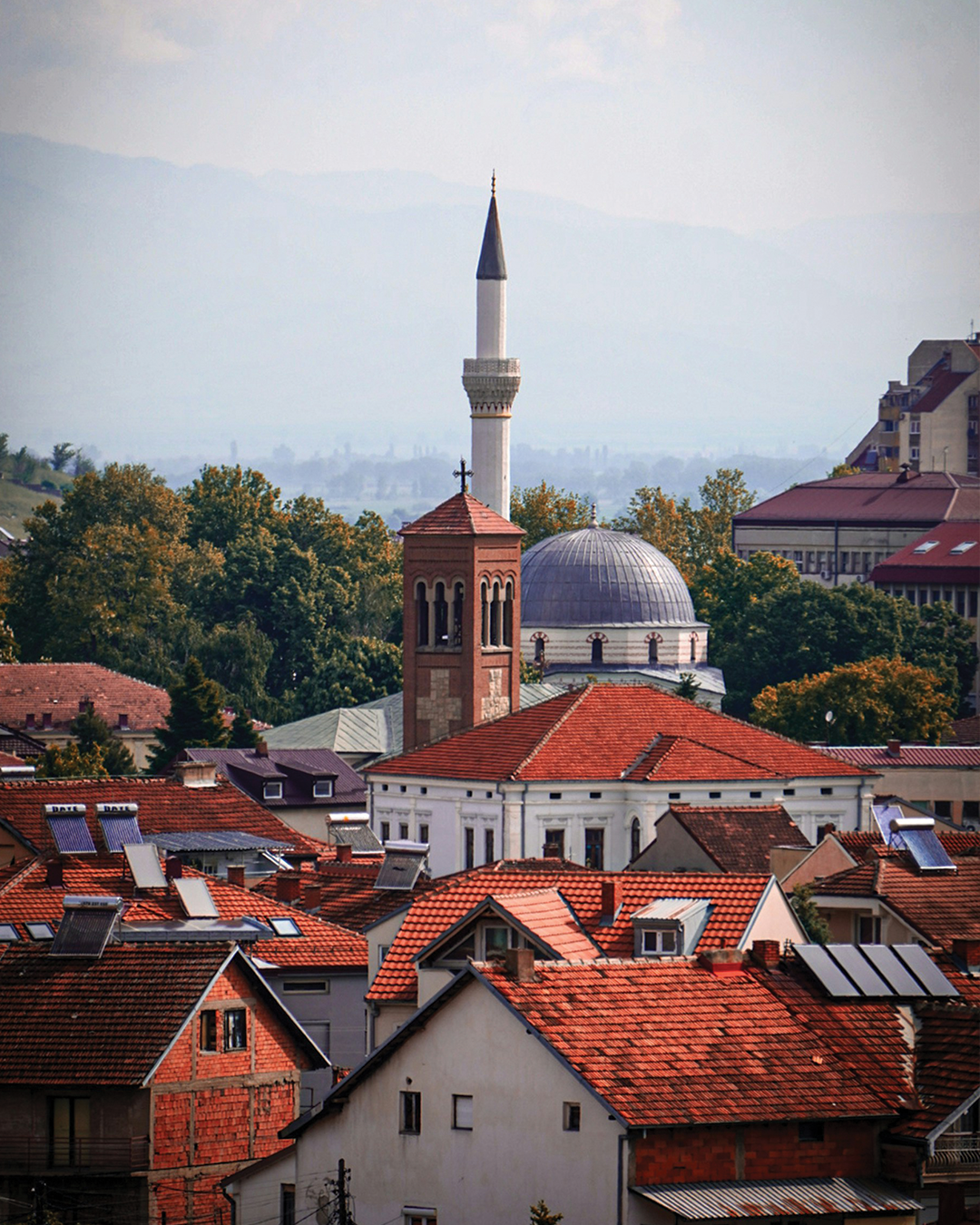
Bitola
The most complete city in the survey: handsome, walkable, cultured, affordable by regional standards, and large enough to feel useful rather than merely charming.
Bitola ranks first not because it dominates any single category, but because it avoids the weaknesses that drag down so many peers. Širok Sokak remains a genuine social spine rather than a museum piece, while the city combines a university, regional hospital, and enough civic weight to serve a large hinterland. Housing is markedly cheaper than Ohrid and below the Skopje average, giving Bitola something increasingly rare: urban dignity without metropolitan costs.
Its drawbacks are real. Bitola cannot match the job markets of Skopje or Solun, and the Pelagonia basin still faces winter air pollution. Yet few cities balance their assets as successfully. The historic center, café culture, educational institutions, and practical services reinforce one another to create a city that simply works. The rhythm is enviable: errands on foot, coffee on Širok Sokak, a short commute, and an evening promenade that still belongs to residents. It is not glamorous—it is livable.
Livability signals
- Housing
- About $964/m²Q1 2026 apartment transactions averaged around this level.
- Rent
- About $266/monthSecondary estimate for a city-centre one-bedroom.
- Healthcare
- 520 bedsClinical Hospital Bitola serves the south-west region.
- Education
- UKLO headquartersSt. Kliment Ohridski University of Bitola is based here.
- Safety
- Index above 72Secondary perception data give Bitola a Safety Index above this mark.
Read more
What works
A legible center, strong cafe life, solid healthcare, cultural heft and competitive housing costs by regional standards.
Tradeoffs
Limited high-end job options, modest connectivity and winter pollution risk.
Daily-life scene
Coffee, consular façades, students, hospital staff, pensioners and families on an evening walk: Bitola still understands the Balkan art of making a street feel like a shared living room.
Best address
Širok Sokak, especially the stretch between Magnolia Square and the park.
Best suited for
Families, diaspora returnees, academics, healthcare workers and anyone who wants a real city rather than a resort.
Adopt
Better rail and regional connectivity so Bitola's civic strengths are not trapped by distance.
Drop
Treating the city's heritage core as nostalgia rather than a working model for humane urban life.
Not ideal for
People who need capital-city salaries, frequent flights or constant novelty.
Method
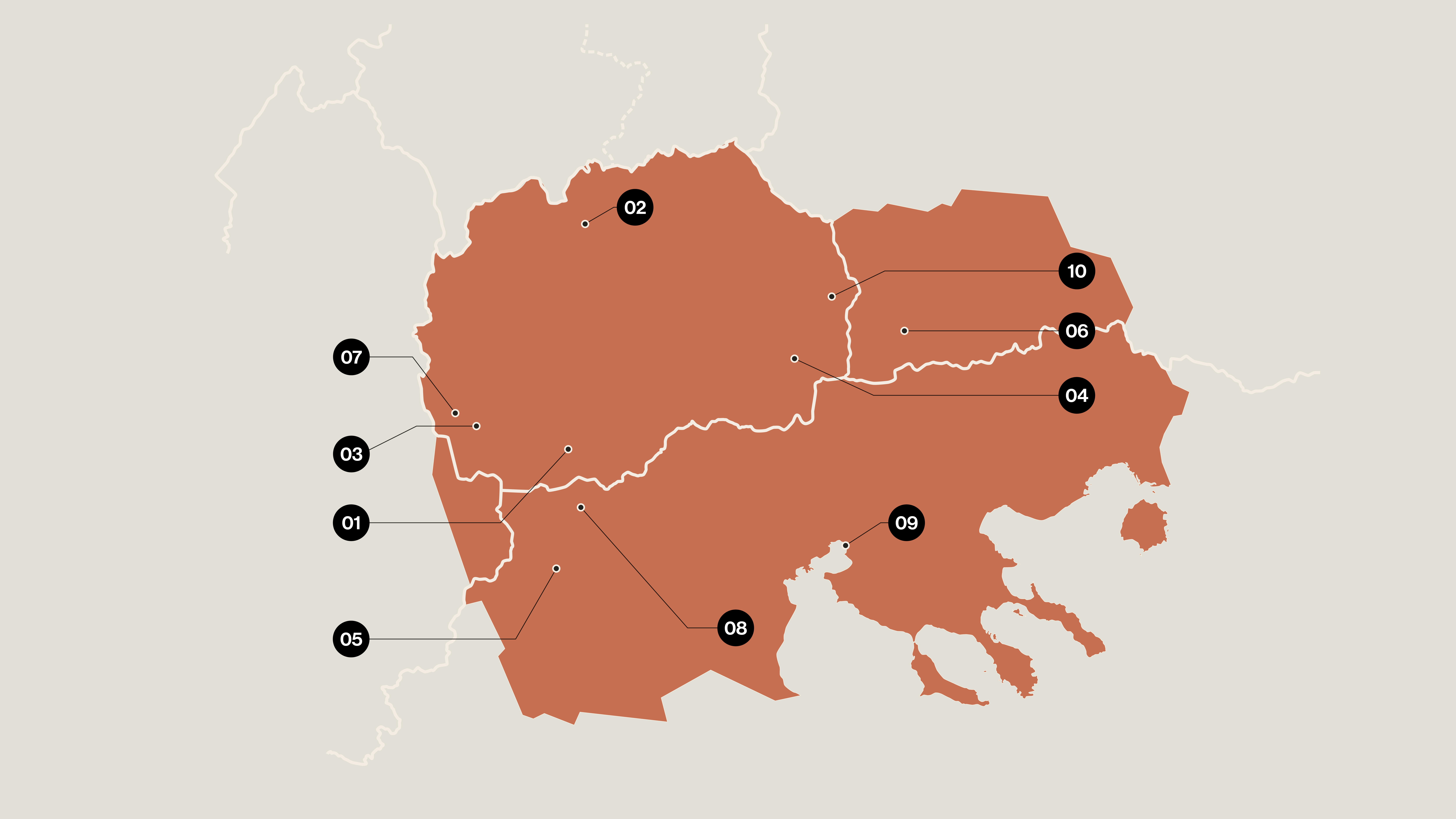
The survey screened 28 candidate cities and towns across Vardar, Egej and Pirin. Scores are out of 100 and weigh affordability, housing, safety, healthcare, environment, walkability, markets, culture, nature, connectivity, work and study.
The winner is not the biggest city, nor the most internationally visible, nor the one with the strongest tourism brand. It is the place that keeps the most parts of life in proportion after the first burst of novelty wears off.
Guide
Find your fit
Best for, not just best overall.
Families
Bitola, Strumica
Remote workers
Sandanski, Solun, Ohrid
Nightlife
Solun, Skopje, Ohrid in summer
Affordability
Strumica, Bitola, Berovo
Culture
Solun, Bitola, Ohrid, Kostur
Nature
Ohrid, Kostur, Struga, Berovo
Diaspora return
Bitola, Strumica, Ohrid
Lake living
Ohrid, Struga, Kostur
Slow living
Berovo, Struga, Kostur
Data note
This guide scores everyday livability rather than postcard appeal. The underlying survey weighs affordability, housing, safety, healthcare, air and environment, walkability, food and markets, culture, nature and climate comfort, and connectivity. Official statistics, cadastre-derived housing data, hospitals, universities, transport operators, UNESCO and institutional sources are treated as firmer evidence. Crowd-sourced rent, cost and safety figures are used only as directional indicators. All research figures originally reported in euros or Macedonian denars are shown here in US dollars, converted with the National Bank of the Republic of North Macedonia’s official middle rates for 16 July 2026 and rounded to the nearest dollar. Daily-life scenes, best addresses, best-suited-for notes and Adopt / Drop lines are editorial guideposts, not hard statistics.