Literature | History

Start Here: Five Books with Macedonian State

Five Macedonian history book covers arranged on a yellow background

A collaboration with Macedonian State on five books that open different doors into Macedonian history, identity, and independence.

I selected five books for this collaboration because I wanted the list to be useful for someone who wants to start learning about Macedonia but does not know where to begin.

Macedonian State (Makedonska Država) is about making Macedonian history, books, and old sources easier to find and easier to read. Many important books, magazines, newspapers, and documents exist, but they are often scattered or hard to reach, especially for younger people and the diaspora.

I did not choose these as the “five best” books. I chose them because each one opens a different part of the story: Macedonian identity, the Macedonian Question, cooperation between Macedonians and Albanians, women’s history, and independence.
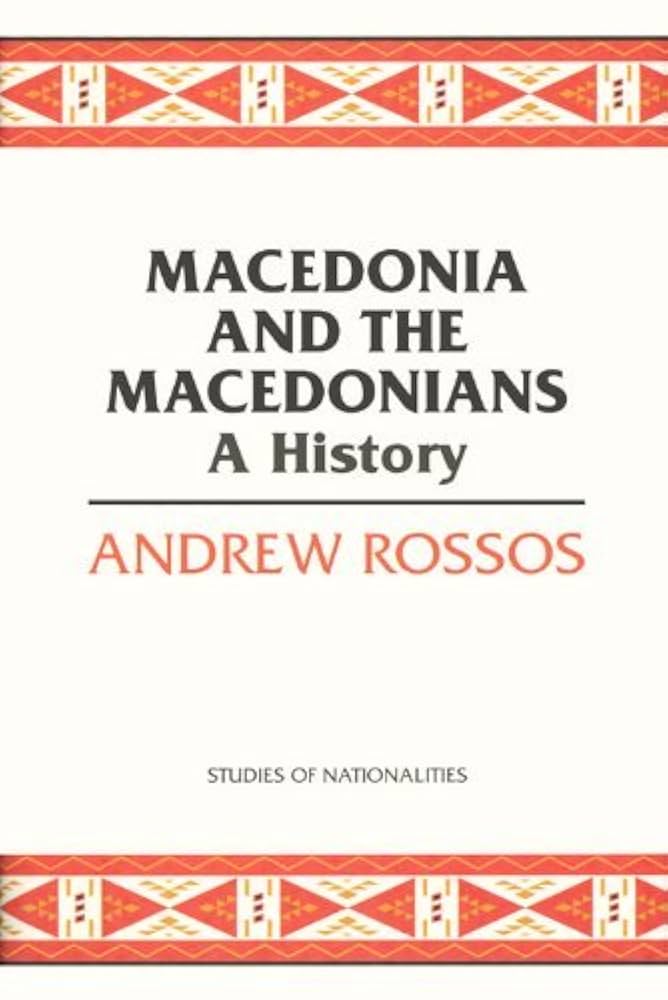
Cover of Andrew Rossos, Macedonia and the Macedonians: A History.

1. Andrew Rossos, Macedonia and the Macedonians: A History

I chose this book because it is one of the clearest starting points for someone who wants a broad view of Macedonian history in English. It is especially useful for the diaspora and for people who were not educated through the Macedonian school system.

Rossos gives the reader the larger historical frame: Macedonia as a region, the Macedonian Question, partition, foreign rule, identity, Yugoslavia, and independence. For someone who is just starting, this book helps explain why Macedonian history cannot be reduced to one period or one political dispute.

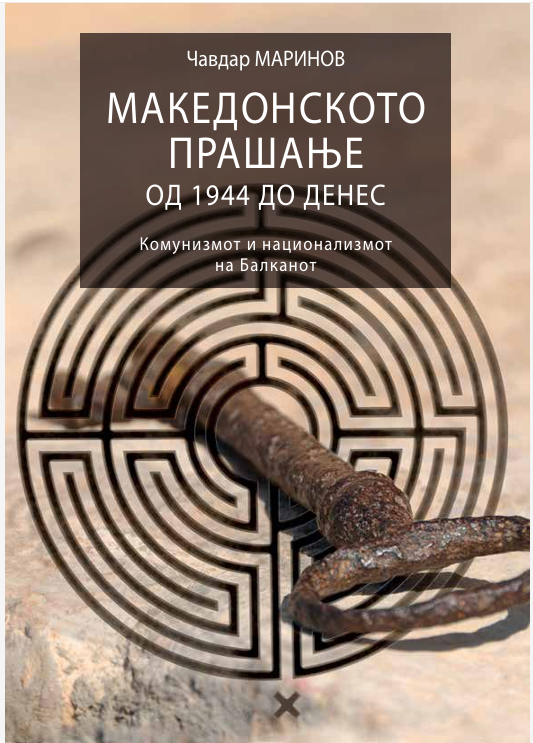
Cover of Tchavdar Marinov, The Macedonian Question from 1944 to the Present.

2. Tchavdar Marinov, The Macedonian Question from 1944 to the Present: Communism and Nationalism in the Balkans

I chose this book because it deals with one of the most difficult parts of modern Macedonian history: the relationship between Macedonia and Bulgaria after 1944.

The book is useful because it looks at the Macedonian Question through communism, nationalism, state policy, and historical interpretation. A major part of it focuses on how Bulgaria treated the Macedonian issue, including the position of Macedonians in Bulgaria and the changing official views toward Macedonian identity.

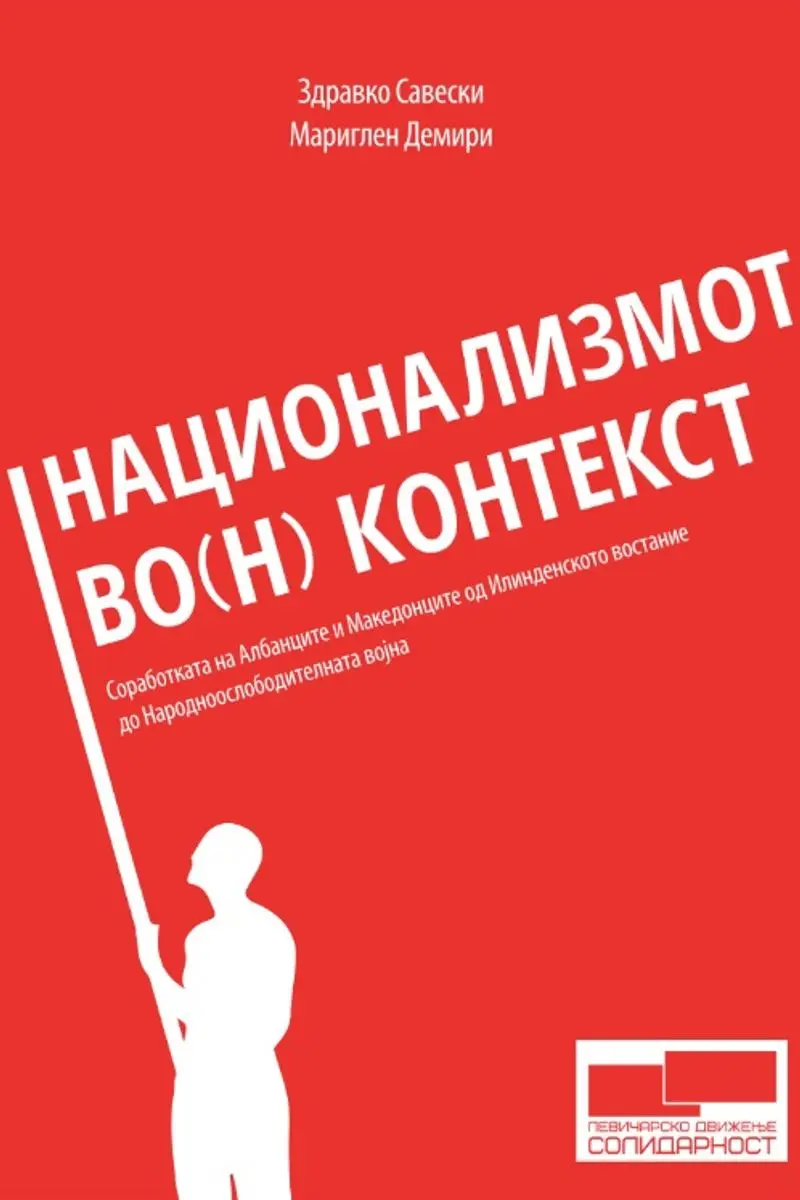
Cover of Nationalism In/Out of Context by Mariglen Demiri and Zdravko Saveski.

3. Mariglen Demiri and Zdravko Saveski, Nationalism In/Out of Context: The Cooperation of Albanians and Macedonians from the Ilinden Uprising to the People’s Liberation War

I chose this book because it adds a different and necessary layer: the history of cooperation between Macedonians and Albanians.

Macedonian history is often presented only through conflict, division, and ethnic competition. This book looks at moments of cooperation, especially from the Ilinden period to the National Liberation War. That makes it important because it shows that the history of Macedonia is not only a story of separate communities living next to each other, but of unity as well.

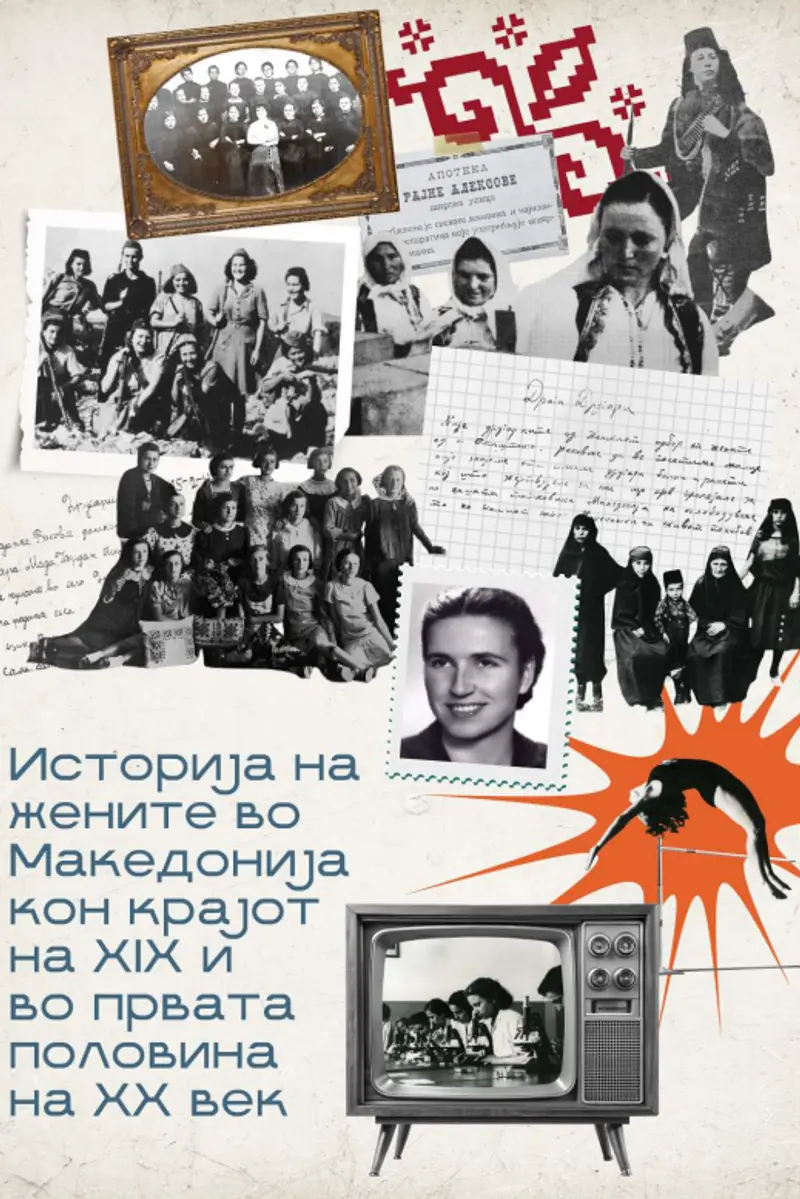
Cover of History of Women in Macedonia towards the End of the XIX and the First Half of the XX Century.

4. Petar Todorov, HERA, and Tiiiit! Inc., History of Women in Macedonia towards the End of the XIX and the First Half of the XX Century

I chose this book because women are often left out of the way Macedonian history is usually told.

Many historical narratives focus on men, parties, wars, organizations, and state institutions. This book brings women into the picture and shows their role in education, social life, healthcare, labor movements, the revolutionary period, and the National Liberation Struggle.

I included it because Macedonian history is not complete if women appear only in the background. This book gives readers a wider and more honest view of society.

Cover of On Our Own: A Short History of Macedonian Independence, 1990–1993.

5. Mišo Dokmanovikj, On Our Own: A Short History of Macedonian Independence, 1990–1993

I chose this book because it explains one of the most important moments in modern Macedonian history: the road to independence.

The book is useful because it does not treat independence as one single event. It follows the steps from the first multiparty elections, the declaration of sovereignty, the referendum, the constitution, diplomacy, relations with neighbors, the withdrawal of the Yugoslav People’s Army, and Macedonia’s admission to the United Nations.

I included it because many people know the date of independence, but not the process behind it. This book shows how careful political, legal, and diplomatic decisions helped Macedonia avoid war and become an independent state.