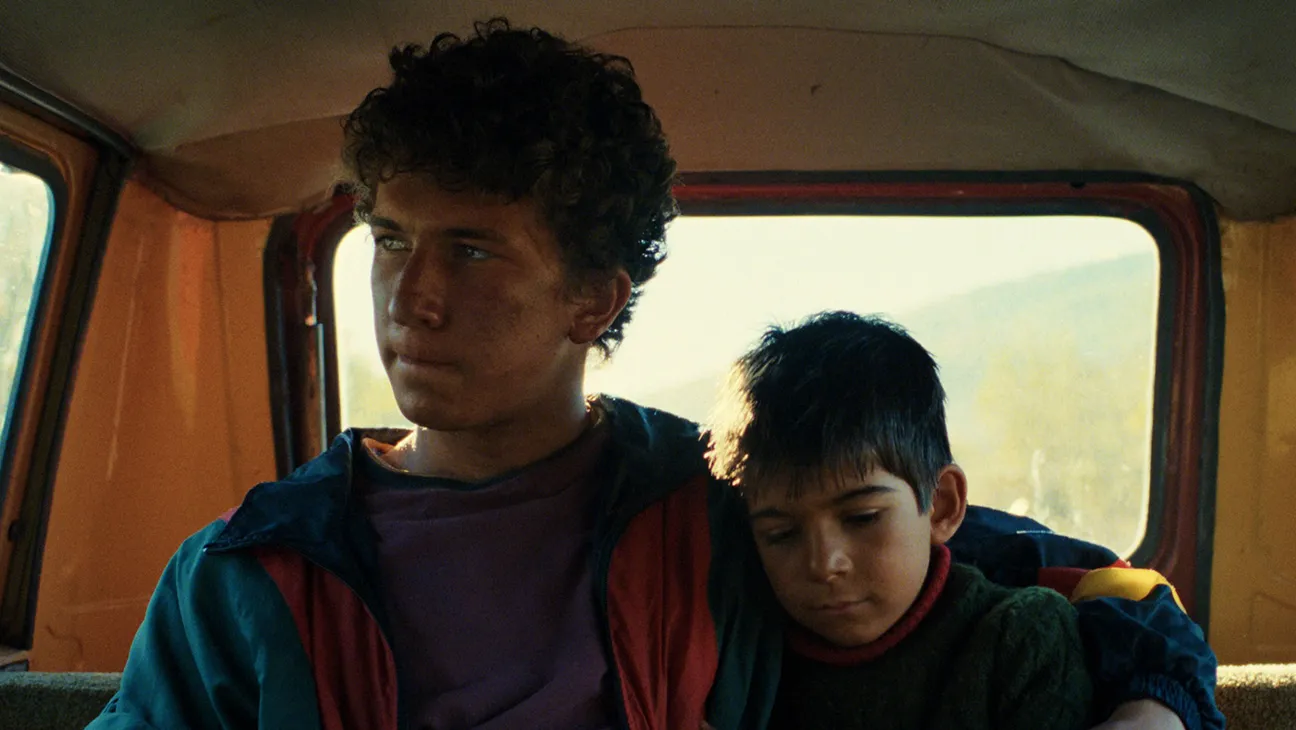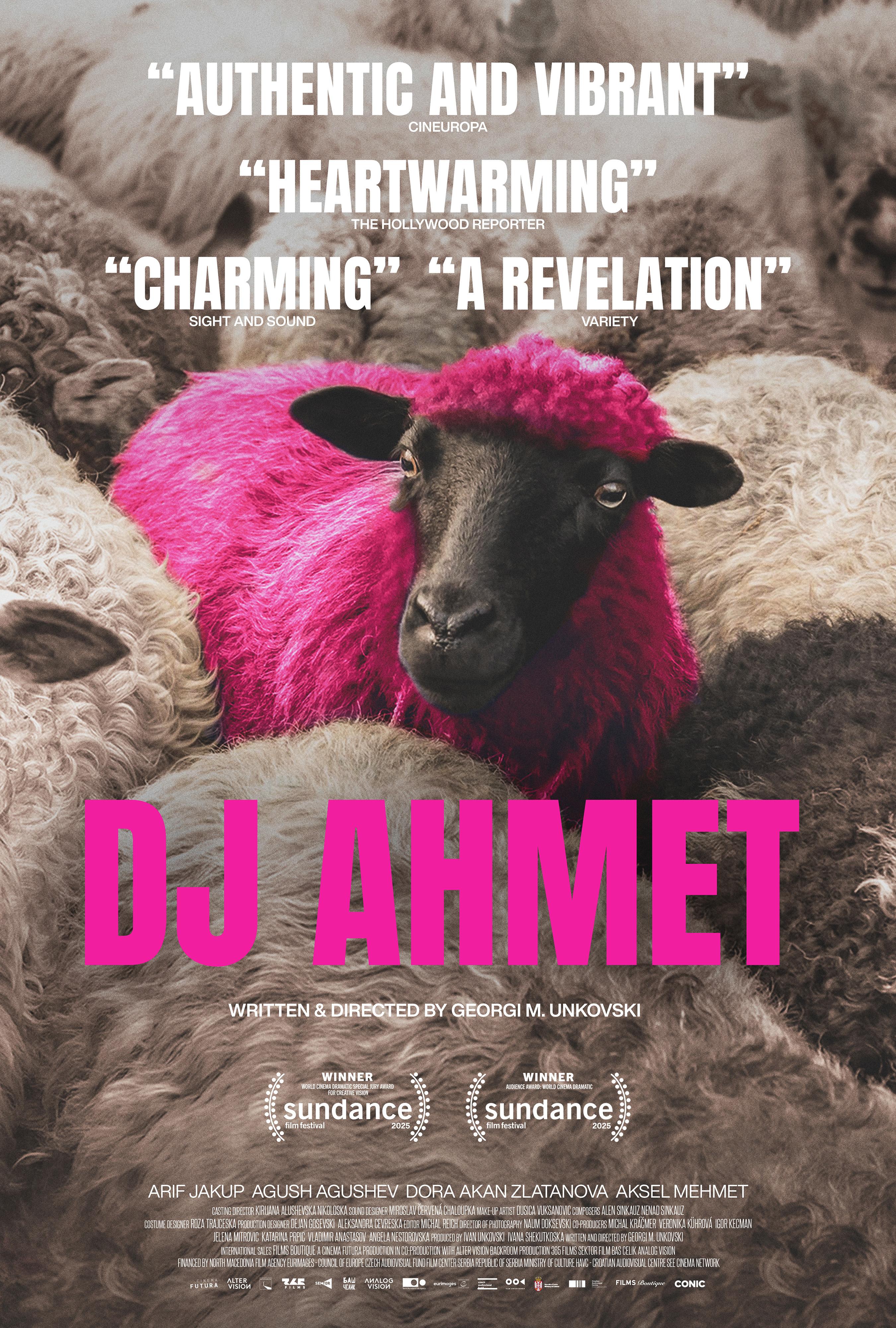
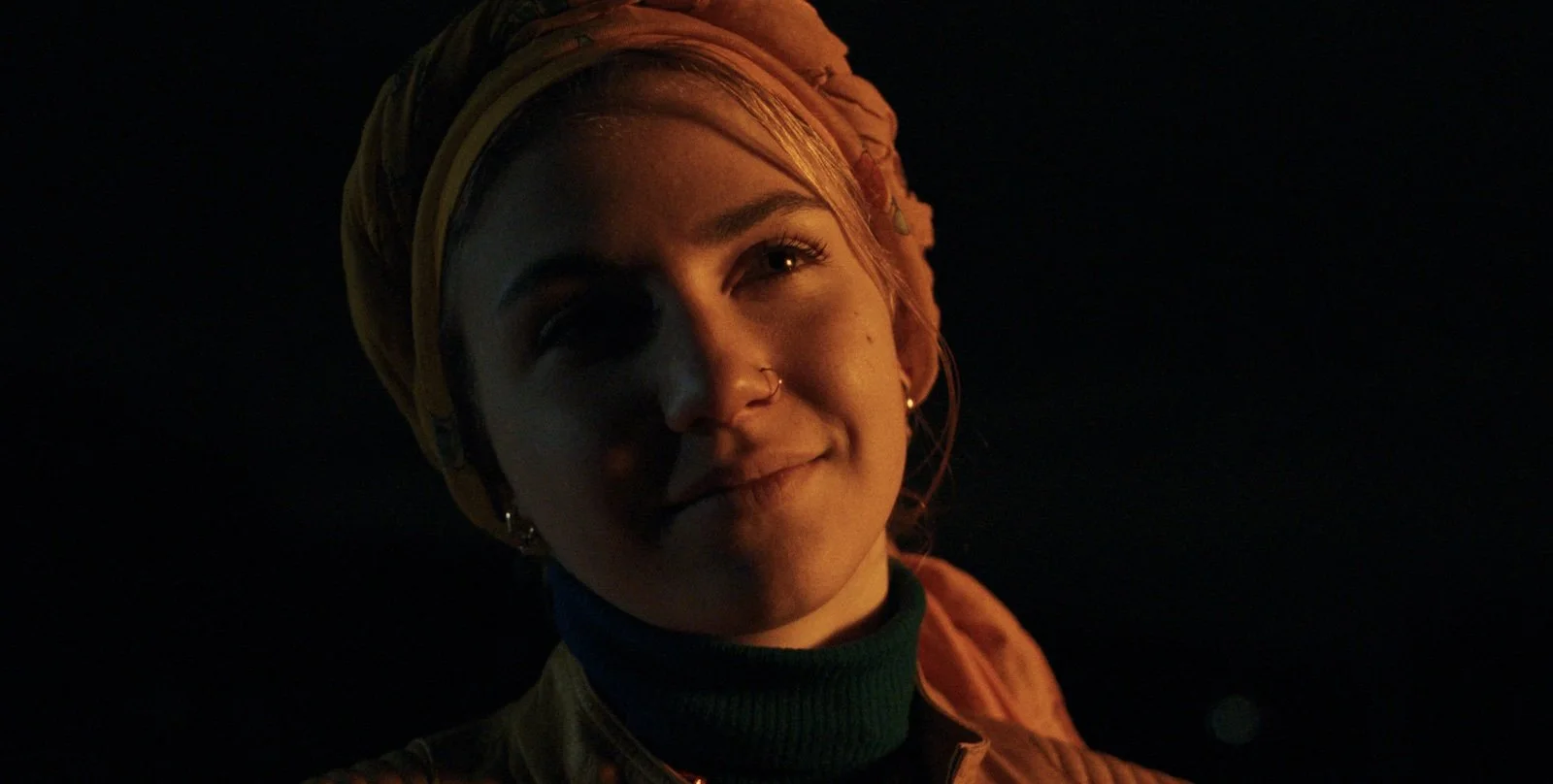
DJ Ahmet begins with a setup that could easily become schematic: a teenage boy, a stern father, a mute younger brother, a girl promised elsewhere, a conservative village, an illegal rave. But the film's real intelligence lies in refusing that simplification. It does not stage modernity as a foreign force arriving from outside to shock a sealed rural world. Rather, it treats the village as a place already full of pressure, fantasy, grief, and unfinished change. EDM, smartphones, and viral video do not interrupt tradition; they expose how permeable it has already become.
That shift matters because it changes how we read the father. In a thinner film, he would simply be the obstacle: patriarchy in human form, there to be defeated by youth and desire. Here, he is more troubling than that and more believable. He is a grieving widower formed inside a culture that gives men very little permission to show pain. The point is not to excuse him. It is to see that repression in the film is not just personal cruelty; it is a damaged social language, one passed down so completely that even tenderness comes out misshapen.
That is why music matters. In lesser coming-of-age films, dance music would serve as a ready-made symbol of liberation: the beat drops, the old world loosens, the teenager becomes himself. DJ Ahmet wants something subtler. Rhythm becomes a form of expression in a world where speech has stalled, where one child no longer talks, where a father cannot mourn aloud, and where love survives in glances, chores, and improvised gestures. The tractor outfitted as a DJ booth is funny, but it is also exact. Change does not descend from above in this film. It is built out of whatever is already there.